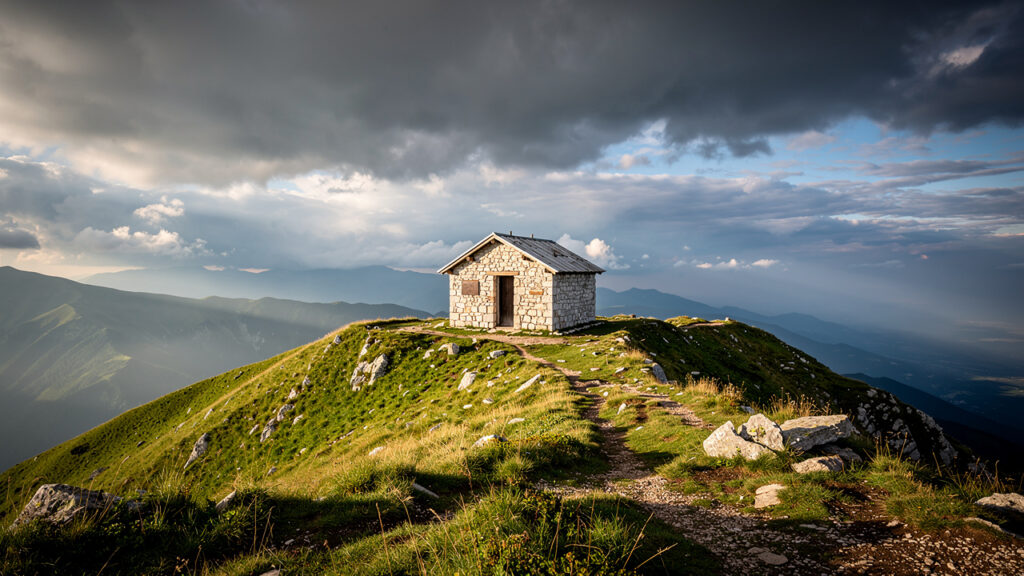
Shelters in the Balkan Mountains are small, unstaffed buildings intended to provide temporary refuge in bad weather or emergencies. They offer basic facilities and play a key role in keeping hikers safe in the higher parts of the mountains.
- Emergency shelters along the ridge are free to use, but have almost no amenities beyond a roof and wooden sleeping platforms.
- Always check the latest condition of a shelter in hiking forums before relying on it.
- The main difference between a shelter and a mountain hut is that a shelter has no permanent staff and offers neither food nor reserved beds.
- Leaving dry firewood behind and cleaning up after yourself are unwritten rules for using a mountain shelter.
- Some larger shelters at lower elevations, such as hunting shelters, may require prior arrangements and payment.
A mountain shelter is not meant for a planned overnight stay; it is a survival resource. Its main purpose is to provide emergency refuge when the weather suddenly changes, fog rolls in or an accident occurs, especially along the exposed ridges of the Balkan Mountains. Unlike mountain huts, shelters are unstaffed and often lack basic amenities. Their continued usability depends entirely on the consideration of the hikers who pass through them.
As interest in mountain hiking in Bulgaria continues to grow in 2026, understanding this infrastructure has become critical. The harsh conditions of the Balkan Mountains leave little room for poor preparation, and a functioning shelter can mean the difference between life and death. The story of a hiker who survived four days in the shelter on Golyam Kademliya Peak is a stark reminder of the essential role these structures play.
In practice, the condition of any shelter is uncertain. Rely on your own preparation, not a dot on the map. Shelters in the Balkan Mountains are a safety net with gaps that every hiker needs to know how to work around.
| Feature | Emergency shelter (ridge) | Tourist shelter (equipped) | Hunting shelter |
|---|---|---|---|
| Purpose | Short-term refuge in extreme conditions | Planned overnight stay along a route | Private use, often by prior arrangement |
| Available amenities | Minimal (wooden sleeping platforms, sometimes a table) | Stove, table, sometimes cookware | Beds, kitchen, bathroom, electricity (sometimes) |
| Access and use | Open to everyone and free to use at any time | Open to everyone, but subject to unwritten rules | Restricted; requires contacting the people in charge |
| Expected cost | €0 | €0 (you are expected to leave firewood and supplies) | Around €10–25 per person, by prior arrangement |
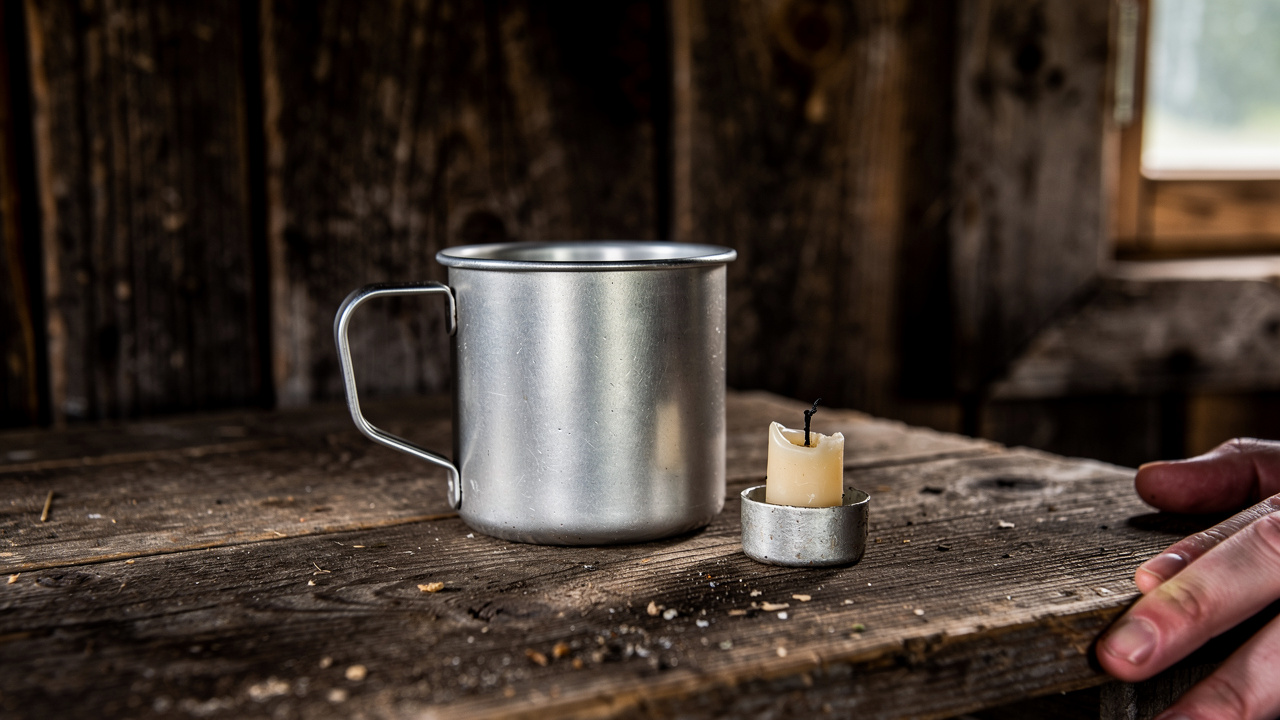
What are the conditions in mountain shelters – is there electricity, water and heating?
What are the conditions in mountain shelters – is there electricity, water and heating?
Conditions vary considerably. Most shelters have neither electricity nor running water, and heating is provided by a wood-burning stove. You will need to bring your own firewood or find some on site.
Conditions in mountain shelters range from very basic to relatively comfortable, but never luxurious. High-altitude emergency shelters, such as Orlovo Gnezdo or Marinka, often consist of nothing more than a stone or metal building with wooden sleeping platforms. Their sole purpose is to protect you from the wind and storms. Everything else – sleeping bag, food, water and lighting – is your responsibility.
Shelters at lower elevations or newer tourist shelters may offer more. Typical facilities include a solid-fuel stove, a table, benches and sometimes even an axe and a saw. Water is usually available from a nearby spring, but its condition and availability are not guaranteed. Electricity is extremely rare and can be found only in some larger buildings in the lower parts of the mountains, often managed by hunting associations or forestry enterprises.
Type of structure: Stone masonry or metal construction
Basic equipment: Wooden sleeping platforms
Heating: None or a wood-burning stove (without firewood)
Main drawback: Often damaged by storms or vandalism
One of the most common mistakes is planning a hike on the assumption that the shelter will be equipped. The right approach is to always carry camping gear, even if you do not intend to use it. A headlamp, a gas stove and a warm sleeping bag can turn any shelter into a safe haven.
The key difference between a shelter and a mountain hut
Many hikers mistakenly use the terms “shelter” and “mountain hut” interchangeably. The difference is fundamental, and understanding it is essential for safe trip planning. A mountain hut is a staffed tourist facility that offers paid overnight accommodation, food and drinks. It has set opening hours and a hut keeper, and you can count on a hot bowl of soup and a reserved bed.
A shelter, on the other hand, is an unstaffed building. It has no staff, offers no food and does not allow you to reserve a place. It is always open and available to anyone in need. This independence is its greatest strength, but it also means that users must take full responsibility for themselves. Arriving at a shelter means relying entirely on what you have in your backpack.
This difference becomes especially important when planning a long-distance hike such as the Kom–Emine route. While mountain huts provide reliable places to restock supplies and take a break, shelters are only potential emergency stops along the way. Planning a route on the assumption that a shelter will provide food or warmth is a recipe for disaster. The only thing it is guaranteed to offer is a roof over your head.
Are shelters in the Balkan Mountains dangerous in bad weather?
Are shelters in the Balkan Mountains dangerous in bad weather?
No, they are designed to save lives, but only if they are in good condition. A damaged door, a broken window or a lack of firewood can turn a shelter into a trap.
A poorly maintained shelter creates a false sense of security, which can be more dangerous than an exposed slope. Entering a freezing building with a broken window during a blizzard can lead to hypothermia faster than digging a snow cave. A shelter is safe only if its structure is sound and it can be heated.
Experienced hikers check the condition of key shelters along their routes in advance by looking for recent posts in hiking groups. Even then, they carry an emergency bivy bag and reliable fire-starting equipment. They know that mountain conditions can change quickly. A shelter may have been in perfect condition last week, but today its door could be damaged by a storm or vandalised by careless visitors.
Main risk: A false sense of security
Check before setting out: Essential – check online hiking communities
Personal responsibility: Carry emergency equipment
Critical damage: A broken door or window
Despite the risks, their life-saving role is undeniable. According to a report by the Bulgarian News Agency, a missing hiker survived four days and nights in the shelter on Golyam Kademliya Peak before rescuers found him. This case perfectly illustrates why shelters in the Balkan Mountains exist: they are the last line of defence when everything else goes wrong.
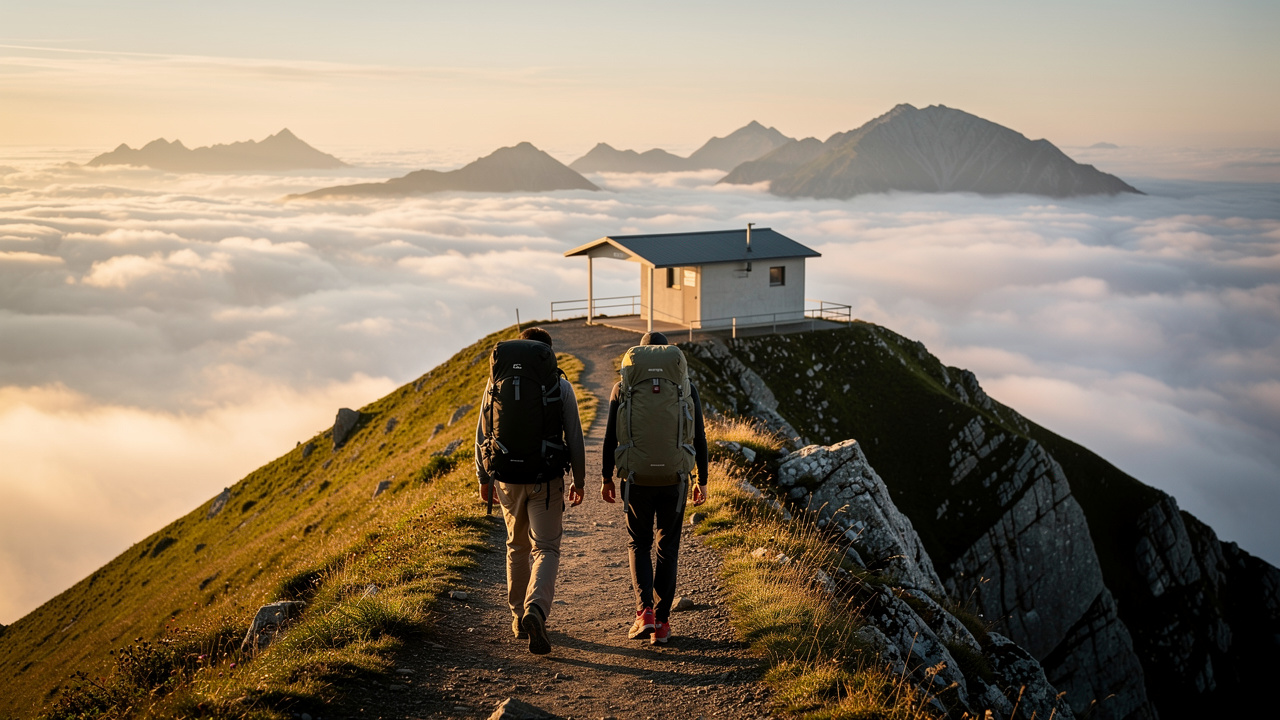
Rules for using shelters and mountain etiquette
The basic rule when using a shelter is to leave it in better condition than you found it. This is not simply good manners, but an unwritten rule that keeps the whole system going. The next visitor may be in greater trouble than you were and may need the resources you leave behind.
Good shelter etiquette comes down to a few key actions. Clean up thoroughly after yourself – do not leave any food waste or packaging behind. If you used firewood for the stove, collect and leave at least the same amount in a dry place for the next visitors. If you notice damage, such as a broken window or a leaking roof, try to make a temporary repair if possible. Be sure to report the problem in hiking forums so others know what to expect.
If a shelter is full, priority should go to those in the worst condition – exhausted, freezing or injured hikers. Everyone must share the available space. If you arrived first and have already settled in comfortably, it is your responsibility to make room for those arriving during the storm. This is the spirit of solidarity in the mountains, which makes shelters in the Balkan Mountains more than just ordinary buildings.
How can you find the key shelters in the Balkan Mountains?
How can I find a shelter that is in good condition and well maintained?
The safest approach is to consult specialised websites such as btsbg.org, GPS maps with up-to-date tracks, and hiking groups on Facebook just before setting out.
Finding a shelter on a map is easy, but checking its current condition takes more effort. Paper maps and old guidebooks are unreliable, as many shelters deteriorate or disappear over time. As of 2026, the best sources of information are digital platforms and hiking communities.
Start with online maps and GPS apps that allow users to add comments and photos, such as Karta.bg or specialised hiking GPS platforms. These often contain the latest information about the condition of a particular shelter. Next, check relevant Facebook groups. Post a question about the specific shelter you plan to use, and there is a good chance that someone who has passed through recently will be able to give you first-hand information.
The best approach is to combine several sources. Find the shelter on a digital map, read the comments, look for recent photos on social media, and finally call the nearest mountain hut or the local office of the Mountain Rescue Service. They often have the most accurate information about shelters in their area. This takes 15 minutes, but it could save you hours of wandering and help you avoid a potentially dangerous situation.
Frequently Asked Questions
What equipment is essential for a hike that includes a shelter?
Essential equipment includes a warm sleeping bag suitable for the season, an insulated sleeping mat, a headlamp with spare batteries, a gas stove and a cooking pot. Also carry a map, a compass or GPS device, a first-aid kit and an emergency bivy bag. Do not expect to find anything more than a roof and protection from the wind inside the shelter.
Can a shelter save your life in an emergency?
Yes, absolutely. The main purpose of emergency shelters is to save lives when the weather changes suddenly, hikers get lost or accidents occur. Using a shelter properly during a storm, in fog or when night falls can mean the difference between survival and hypothermia. There are many examples of hikers being saved thanks to these modest buildings.
What is the difference between a hunting shelter and a tourist shelter?
Tourist shelters are freely accessible to all hikers. Hunting shelters, on the other hand, are usually managed by hunting associations and are often locked or require prior arrangements for use. They tend to be better equipped, but they are not part of the general hiking infrastructure and should not be relied on in an emergency without contacting the people in charge beforehand.
Are shelters in the Balkan Mountains free to use?
Yes, most emergency and tourist shelters are completely free to use. However, good etiquette means leaving the place cleaner than you found it and, if possible, replenishing the stove with dry firewood. Some larger, well-equipped shelters at lower elevations may charge a small fee or accept donations, but this is the exception.
What should I do if I find a shelter in poor condition?
If possible, make minor temporary repairs, such as covering a broken window with materials you have on hand. Most importantly, report the problem as soon as you return. Post information and photos in popular hiking groups on Facebook and, if you know who manages the site (for example, the Bulgarian Tourist Union or a local club), notify them as well. This helps everyone.