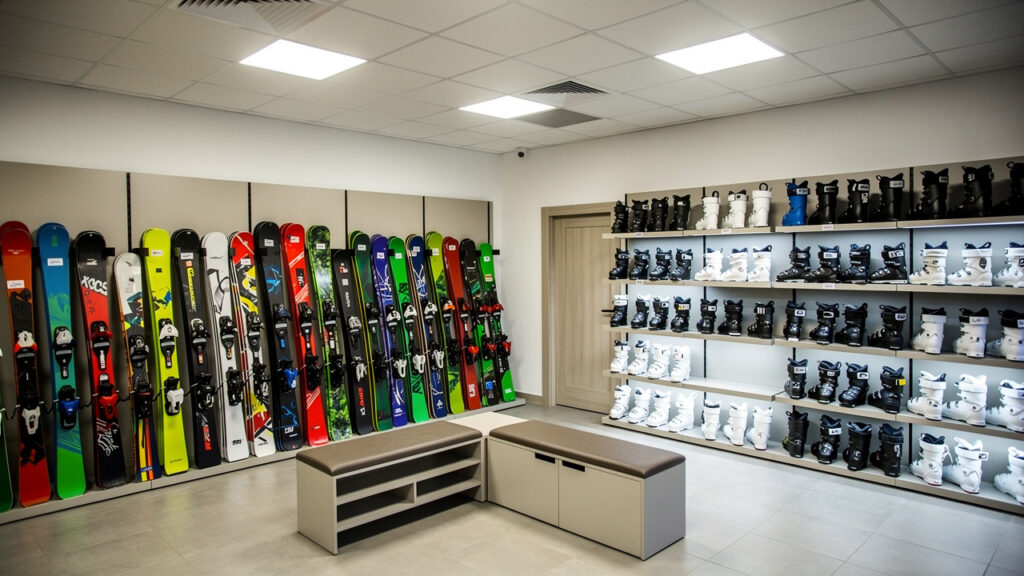
Renting a full set of ski equipment for an adult costs between €15 and €35 per day. Ski rental is the more economical option for beginners and people who ski for up to 10 days per season.
- A new, complete mid-range set of equipment costs at least €500–700, equivalent to around 25–30 days of rental.
- Renting lets you try different ski models and lengths each year without making a large upfront investment.
- Own skis require annual maintenance (waxing and edge sharpening), costing between €25 and €40.
- Rental equipment is often more worn, which can compromise both safety and the enjoyment of skiing.
- Always check the condition of the bindings and edges before leaving the rental shop.
The choice between renting skis and buying your own equipment mainly depends on how many days you spend on the slopes. If you ski for less than two weeks a year, renting is almost always the more economical option. A complete adult set (skis, boots and poles) at Bulgarian resorts costs between €15 and €35 per day, depending on the quality of the equipment.
This question has become increasingly relevant by 2026, as the cost of new equipment continues to rise while the quality of rental gear improves. For a family of four, the difference between renting and buying equipment for a week can exceed €800, not counting the costs of transporting and storing your own skis.
In practice, the decision is not just a financial one; it also comes down to convenience. Renting offers flexibility and ease, while owning your equipment gives you comfort and performance tailored to your skills and skiing style.
| Criterion | Ski rental | Own equipment |
|---|---|---|
| Upfront investment | None | €500–1,500+ |
| Cost for 7 days | ~€140–210 | ~€30 (maintenance) |
| Flexibility and convenience | High (no transport or storage needed) | Low (requires transport and storage space) |
| Quality and condition | Varies; often worn | Excellent, tailored to your needs |
How much does ski equipment rental cost in the 2026–2027 season?
How much does ski rental cost this season?
In the 2026–2027 season, renting a complete set of skis for an adult costs an average of €15–35 per day. The price depends on the equipment category and the resort.
The price of ski rental depends on several key factors: the equipment category, rental period and location of the rental shop. The basic package, suitable for complete beginners, is usually in the lowest price range, while skis for advanced and expert skiers (Advanced/VIP) can cost twice as much. Most rental shops offer discounts for rentals of 3, 6 or more days, bringing down the daily rate for longer periods.
At major resorts such as Bansko, Borovets and Pamporovo, rental shops right next to the slopes charge more. You can often find better deals in the town or at smaller, family-run rental shops. For example, a complete adult set may cost €25 per day next to the gondola, but only €18 a few streets away. Figures for 2026 show that booking online can save an additional 10–15% compared with the price at the shop.
Before setting off, compare at least three offers online. Check whether the price includes a helmet and goggles, as these are often charged separately, at €3–5 per item per day.
Typical daily price (set): €18–30
Discount for 6+ days: Usually 10–20%
Hidden extra cost: Additional charge for a helmet and goggles
Key factor: Proximity to the slopes (the closer, the more expensive)
Owning your equipment: An investment that pays off (or doesn’t)
The common belief that every regular skier needs to buy their own equipment overlooks one important detail: depreciation and maintenance. A complete set of new mid-range skis, boots and poles starts at around €500–700 and can easily exceed €1,500 for high-end gear. Compared with renting, this investment only pays for itself after 30–40 days on the slopes.
The costs don’t end with the purchase. Every year, skis need professional maintenance: base grinding, edge sharpening and waxing. This service costs between €25 and €40 a year. You also need a dry, dark place to store them over the summer, and transporting them to the resort can be inconvenient, especially when travelling by plane or in a small car.
Consider a skier who spends 7–10 days on the slopes each season and buys a top-of-the-range pair of skis for €800. Over three years, they will have spent a considerable amount on equipment that is already technologically outdated, when they could have rented the latest models every year for less. Buying your own equipment makes sense only if you ski for more than 15–20 days per season and have clear preferences about the type of skis you use.
Renting skis or buying your own: How to make the right choice
When is renting skis cheaper than buying them?
Renting is more economical if you ski for fewer than 10–15 days per season, if you’re a beginner, or if your children are growing quickly and need new equipment every year.
The best way to make this decision is to look not only at how often you ski but also at the type of skier you are. For families with young children, ski rental is almost always the better option. Children grow quickly, which means their boots and skis need replacing almost every season. Buying new equipment so often rarely makes financial sense. Renting ensures they always have the right size, which is essential for their safety and progress.
For advanced skiers who value performance and comfort, their own boots are the first and most important purchase. Well-fitted, customised ski boots provide a level of control and comfort that rental models rarely match. A hybrid approach is to own your boots and helmet while renting only the skis and poles. This gives you the flexibility to choose skis to suit the conditions, whether you’re skiing on piste, in powder or freestyle.
The decision comes down to a simple rule: if you ski once or twice a year for a few days, rent without a second thought. If you’re on the slopes every weekend, investing in your own equipment, starting with boots, makes perfect sense. It’s the most practical way to manage your ski rental budget.
Hidden costs and common mistakes when renting equipment
What are the most common mistakes people make when renting skis?
The most common mistakes are choosing skis that are too short or too long, renting uncomfortable boots, and failing to check the condition of the bindings and edges before paying.
The most common rental mistake is compromising on boots. Many people choose a pair that feels slightly uncomfortable in the shop, hoping it will “give” once they’re on the slopes. This almost never happens and usually leads to pain, blisters and a ruined day. Always try the boots on with your ski socks and keep them on for at least 5–10 minutes in the shop. If you feel pressure points, ask for a different model or size.
Another often overlooked issue is equipment insurance. Most rental shops offer optional insurance against theft or serious damage for €1–2 per day. It may seem like an unnecessary expense, but turning it down can prove costly. If a ski or binding breaks and you aren’t insured, you’ll have to pay the full replacement cost, which can reach €200–300. Check the terms carefully: minor scratches usually aren’t covered, but major damage is.
Last but not least, avoid renting visibly battered equipment. Blunt edges make it almost impossible to control your skis on icy sections, while a worn base reduces speed. Insist on well-maintained skis, even if that means paying extra for a higher category. Your experience on the slopes depends directly on the condition of your equipment.
Boot check: Keep them on for 10 minutes in the shop
Insurance cost: €1–2 per day
Risk without insurance: Full replacement cost in case of damage (~€250)
Essential check: Sharpness of the edges and condition of the base
Expert tips for choosing and maintaining your equipment
The right equipment is suited to your weight, height, skiing ability and preferred terrain. When renting, be honest with the staff about your skill level. If you say you’re advanced when you’re actually a beginner, you may end up with skis that are too stiff and too long, making them difficult to control and slowing your progress. Beginners are generally better off with softer, shorter skis (up to chin height).
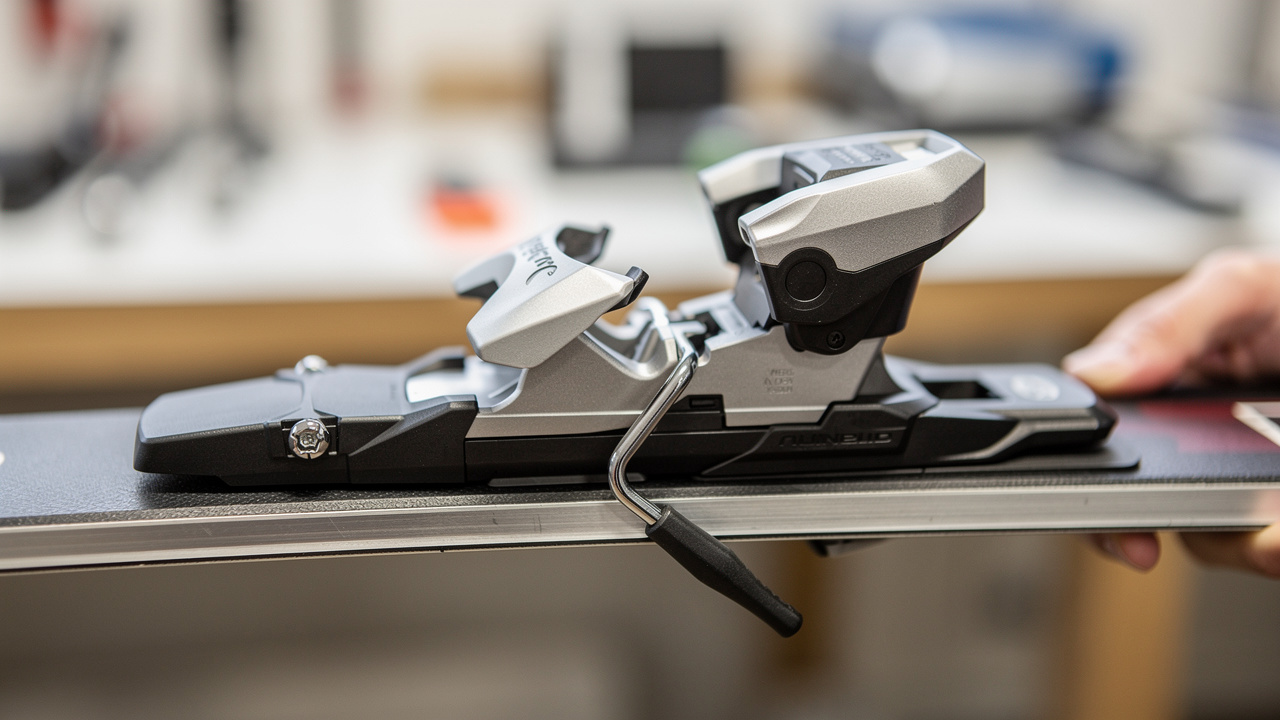
When renting, pay particular attention to the binding settings. They need to be adjusted to your weight, height and boot sole length. Incorrect settings are one of the main causes of knee injuries. The rental shop employee should adjust them in front of you. Make sure the DIN setting is right for your level: a lower setting for beginners and a higher one for aggressive skiers.
If you already own your equipment, don’t neglect summer storage. Before putting your skis away, clean them and apply a thick layer of wax to the base without scraping it off. This protects the material from drying out and oxidising. Store them in a cool, dry place and don’t leave them in a bag where moisture can build up. Before the next season starts, simply scrape off the wax and sharpen the edges.
Before paying for ski rental, always try the boots on with the socks you’ll be skiing in and carefully inspect the edges and bases of the skis. This five-minute check can save you a lot of trouble and help make your time on the slopes more enjoyable.
Frequently asked questions
How much does it cost to rent ski equipment?
Renting a complete set of ski equipment (skis, boots and poles) for an adult in Bulgaria usually costs between €15 and €35 per day. The price depends on the equipment category (basic, advanced or VIP), the resort and how close the rental shop is to the slopes. Most shops offer discounts for rentals of three days or more.
Can I rent just part of the equipment, such as poles?
Yes. All ski rental shops offer the option of renting individual pieces of equipment. You can rent just the skis, boots, poles or helmet. Individual items cost less. For example, renting a helmet costs around €3–5 per day, while skis alone cost around €10–15, depending on the model.
What happens if I damage or lose rented equipment?
If you damage or lose rented equipment, you’ll be responsible for covering the damage or its replacement cost. Most rental shops offer optional insurance for €1–2 per day, covering serious damage or theft. Without insurance, you may have to pay the market value of the broken or lost equipment.
Is it cheaper to book ski equipment online in advance?
Yes, in most cases, booking online in advance is cheaper. Many rental shops, especially at the larger resorts, offer discounts of 10–20% for online bookings. It not only saves you money but also ensures that the equipment you want will be available, particularly during peak season.
How long does it take for buying your own skis to pay off?
Buying a mid-range ski set (around €600) usually pays for itself after 30–40 days on the slopes, compared with a daily rental price of €20. This means that if you ski for more than 15–20 days per season, the investment starts to make financial sense after around two seasons, excluding annual maintenance costs.
Does the rental price include insurance?
The standard rental price usually does not include insurance against damage or theft. This is offered as an optional extra for a small daily fee, usually €1–2. It’s worth adding it to avoid a large bill if something happens to the equipment.