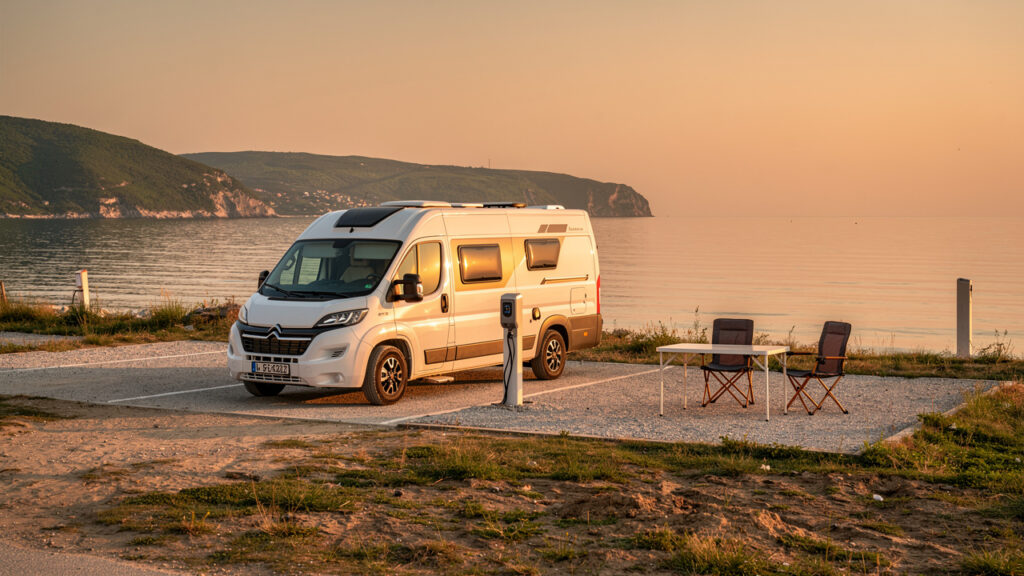
Camping with a car in Bulgaria is permitted only at designated campsites and camper stops. Wild camping is officially prohibited, especially in national parks and nature reserves, and violations are subject to fines.
- Spending the night in a car outside designated places is treated as illegal “wild” camping.
- Fines for camping in protected areas can reach up to €2,500.
- Specialized camper stops offer basic services at a lower price than full-service campsites.
- Reservations for popular seaside campsites in July and August are strongly recommended.
- Always check local regulations, because toleration in practice does not cancel the legal prohibition.
Camping with a car in Bulgaria is legally possible in only two places: registered campsites and the small but growing number of specialized camper stops. Any other overnight stop, even in your own car in a parking lot, is considered “wild” camping and is a legal violation. This applies particularly to protected areas and the 500-metre zone along the Black Sea coast.
The popularity of this type of travel in Bulgaria has grown significantly since 2020, but the legislation remains restrictive. As of 2026, the conflict between those who want to spend the night in nature and the prohibitions is more visible than ever, especially in popular destinations such as Irakli or the coast around Sinemorets. The lack of clear regulations for bivouacking creates a grey area.
The operational reality is that while the state does not actively encourage the creation of light infrastructure, the responsibility falls on travelers. The choice is not between freedom and rules, but between informed compliance with the rules at an organized campsite and taking a real risk of sanctions.
| Type of place | Legality | Main amenities | Approximate price / 24h | Main risk |
|---|---|---|---|---|
| Organized campsite | Fully legal | Electricity, water, shower, toilet, restaurant | €20 – €50 | Need for early reservation |
| Camper stop | Fully legal | Water, waste disposal, sometimes electricity | €10 – €20 | Limited or no sanitary facilities |
| “Wild” camping | Illegal | None | €0 (until you are fined) | Heavy fines, conflicts, lack of security |
Where Is It Absolutely Forbidden to Park Overnight?
Where Is Wild Camping Completely Forbidden in Bulgaria?
Wild camping is absolutely prohibited within national and nature parks, nature reserves, protected areas and the 500-metre zone from the seashore, except in places specifically permitted for this purpose.
The most common mistake beginners make is assuming that a beautiful wild spot is available for overnight stays. The Protected Areas Act is clear. Parking and staying with tents, campers and caravans in national parks (Rila, Pirin, Central Balkan) and nature reserves is strictly prohibited outside designated areas. Enforcement is carried out by park rangers, and offenders risk serious fines.
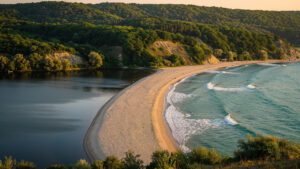
The situation is similar along the Black Sea coast. Following changes in legislation, a ban was introduced on placing temporary structures and any type of camping within the 500-metre ‘A’ zone behind the beaches, except within existing campsites. Data from the Ministry of Tourism confirms the strict regime in this zone. In practice, this means that iconic places such as the dunes of Irakli are off-limits for overnight stays.
Do not underestimate private property either. Parking on private land – fields, meadows or forests – without the owner’s explicit permission is also a violation and can lead to conflicts.
Organized Campsites: The Safe and Legal Choice
Do I Need an Online Reservation for Campsites in Bulgaria?
Yes, for popular campsites along the Black Sea coast, an online reservation months in advance is almost essential in July and August. Mountain campsites are usually more flexible, but checking in advance is recommended.
An organized campsite is the regulated form of outdoor accommodation that offers predictability and amenities. These are designated areas that provide pitches for tents, cars, campers and caravans, with access to electricity, water, sanitary facilities and often additional extras such as a restaurant, shop or swimming pool. Prices vary considerably depending on the location and services offered.
Typical price (seaside): €25 – €50 per night for a car and two people
Typical price (mountains): €15 – €30 per night for a car and two people
Main advantage: Full range of services and security
Key disadvantage: Can be noisy and overcrowded during peak season
The expert approach when choosing a spot at a large campsite is to study its map in advance. Places near the sanitary facilities or restaurant are convenient, but often noisier. If you are looking for peace and quiet, choose a pitch in a more remote part of the campsite. For families with children, proximity to a playground or the beach is key.
The practical thing to do here is to call the campsite directly before making a reservation, especially if you have specific requirements, such as a larger space for camping with a car and an additional shelter. Online systems do not always reflect every detail.
Specialized Camper Stops: The Flexible Alternative
Camper stops are a relatively new phenomenon in Bulgaria, borrowed from practices in Western Europe. They are specially designated parking areas intended mainly for campers and caravans, where you can legally spend the night for a significantly lower fee than at a full-service campsite. Their main purpose is to provide a safe place to stay and basic services.
Services usually include access to fresh water, grey and black water disposal, and rubbish disposal. Some also offer access to electricity. Sanitary facilities such as showers and toilets are often unavailable or very basic. These places are ideal for travelers passing through or for those whose vehicles have their own facilities and autonomy.
As of 2026, their number is slowly increasing, with new ones appearing near tourist attractions, wineries or simply in convenient travel locations. Checking specialized apps and groups is the best way to find an up-to-date list of operating camper stops, as there is still no centralized register.
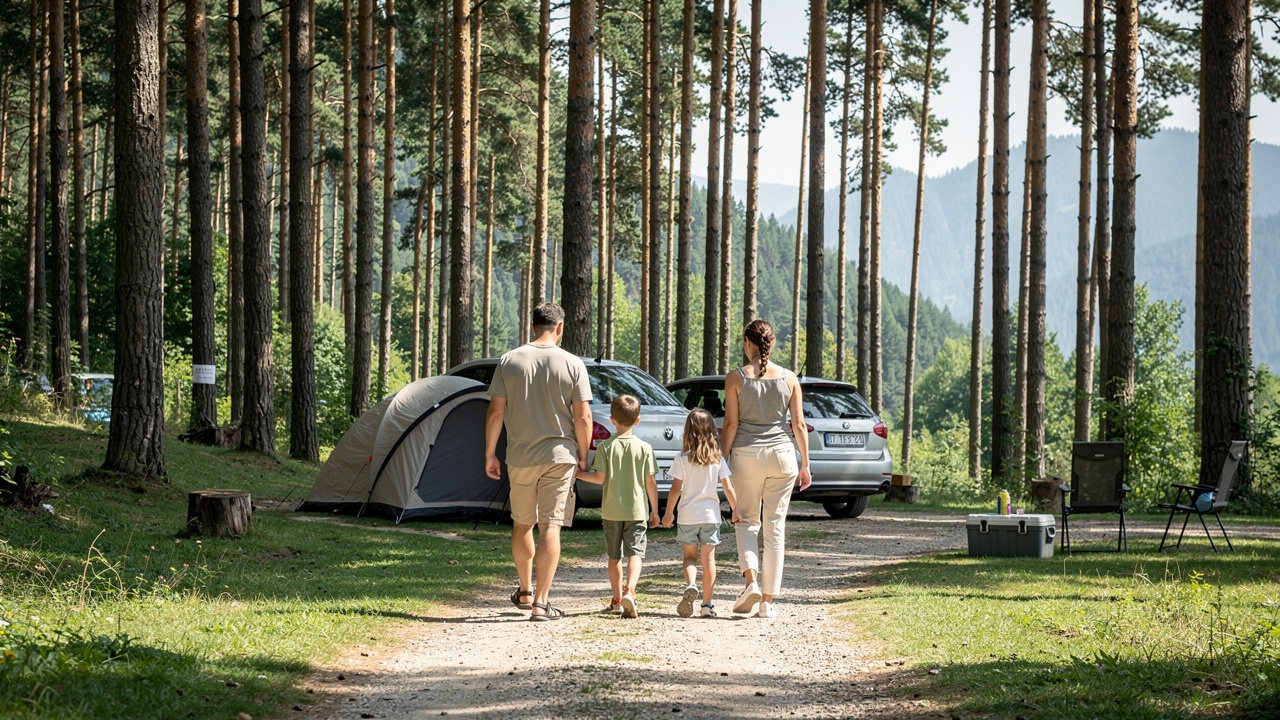
“Wild” Camping: What Are the Real Risks and Fines?
What Is the Difference Between Wild Camping and Camping in a Tolerated Place?
Legally, there is no difference – both are illegal. “Tolerated place” is an unofficial term for a location where authorities are less likely to issue fines, but the risk of a sanction remains and depends entirely on the judgment of the inspectors.
The myth that “wild” camping in Bulgaria is widely tolerated can cost you dearly. Although you may see tents and cars outside designated areas in many places, this does not change the fact that it is a violation of the Black Sea Coast Development Act, the Forests Act or regulations issued by the relevant municipality. Fines can be substantial.
For example, spending the night on a beach or in a forest near the coast can result in a fine of €50 to €250 for an individual. If the violation takes place in a protected area, the penalty under the Protected Areas Act ranges from €250 to €2,500. The biggest mistake is to rely on the idea that “everyone does it”. Inspections are sporadic but real, especially following reports from citizens or during specialized operations in the summer season.
Fine under the Black Sea Coast Development Act: €50 – €250
Fine in a protected area: €250 – €2,500
Hidden risk: Conflict with locals or other tourists
Real danger: Lack of help in an emergency, fire hazard
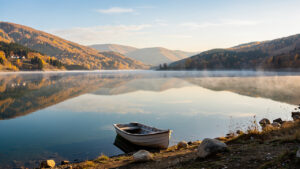
A specific example is parking overnight in parking lots near mountain huts or reservoirs. Even if the parking lot is public, an extended stay with camping equipment set up is treated as bivouacking and may be sanctioned by the relevant authorities – municipal or forestry officials.
Planning and Etiquette: How to Be Responsible Campers
The best way to have a successful camping trip with a car is good planning and following a few basic principles. The expert approach always includes researching the destination – not only for its beauty, but also for its specific regulations. Check whether your chosen location falls within a protected area and what the local rules are.
Follow the “Leave No Trace” principle. This means not simply collecting your rubbish, but taking it with you to the nearest container in a populated area. Do not dispose of waste in campsite toilets that are not designed for it. Use biodegradable products and do not wash dishes or cars directly in rivers and lakes.
Key Planning Steps
- Check the land status: Use online maps and the cadastre to make sure you are not on private property or in a protected area.
- Prepare for self-sufficiency: Carry enough water, a portable toilet (if you are traveling in a camper) and bags for all your waste.
- Check the fire risk: During the summer months, lighting fires is prohibited in many places. Always use only designated fire areas at campsites.
Responsible behavior is the only way this type of tourism can have a future in Bulgaria. Instead of looking for loopholes in the law, choose the legal and safe options that guarantee both your peace of mind and the protection of nature.
Frequently Asked Questions
What Are the Fines for Wild Camping in Bulgaria?
Fines vary depending on where the violation takes place. Under the Black Sea Coast Development Act, the penalty ranges from €50 to €250. If you camp in a protected area such as a national park or nature reserve, the fine under the Protected Areas Act is much more serious – from €250 to €2,500 for individuals.
Can I Sleep in My Car in a Public Parking Lot in a City?
Although it is not explicitly prohibited to sleep in your car, if the stay is prolonged and looks like bivouacking (for example, with chairs taken out or windows opened with mesh screens), local authorities may treat it as a violation of public order. It is best to use it for a short rest rather than an overnight stay.
What Is the Difference Between Camping and Bivouacking?
Bulgarian legislation does not have a clear definition distinguishing the two. In practice, however, camping is considered to be staying with tents, caravans and equipment set up for more than 24 hours. Bivouacking is understood as a shorter overnight stay, often without a tent, but it is also illegal outside designated areas.
Can I Park My Camper at Iskar Lake?
Parking and spending the night around Iskar Reservoir is in a grey area. A large part of the shoreline is state- or municipally owned, where camping is prohibited. There are private properties and several places that operate as makeshift campsites, but you must check the status of the specific location before staying overnight to avoid fines.
Related articles