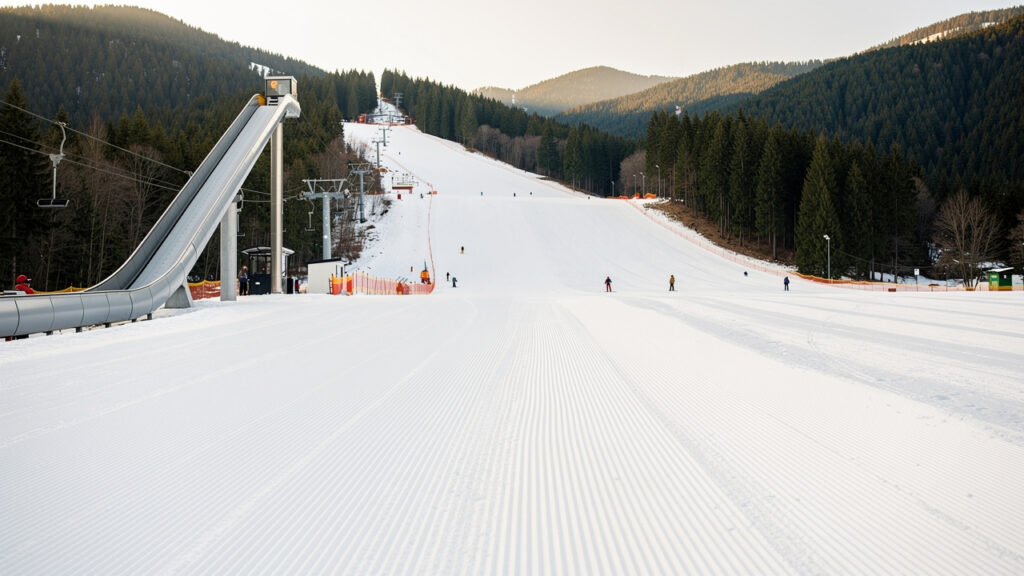
Learning to snowboard starts with choosing between an instructor, a friend, or self-teaching, while renting equipment is the most affordable option. A board, boots, helmet, and suitable clothing are essential.
- A lesson with a licensed instructor ensures you build proper technique from the very beginning.
- Renting a full snowboard setup for a weekend at a Bulgarian resort costs around €50-70.
- Choosing a board that is too long or too advanced is a common mistake among beginners.
- Always wear a helmet, even in the learning area, as falls are an unavoidable part of the process.
- Learning on crowded or steep slopes significantly slows progress and increases the risk of accidents.
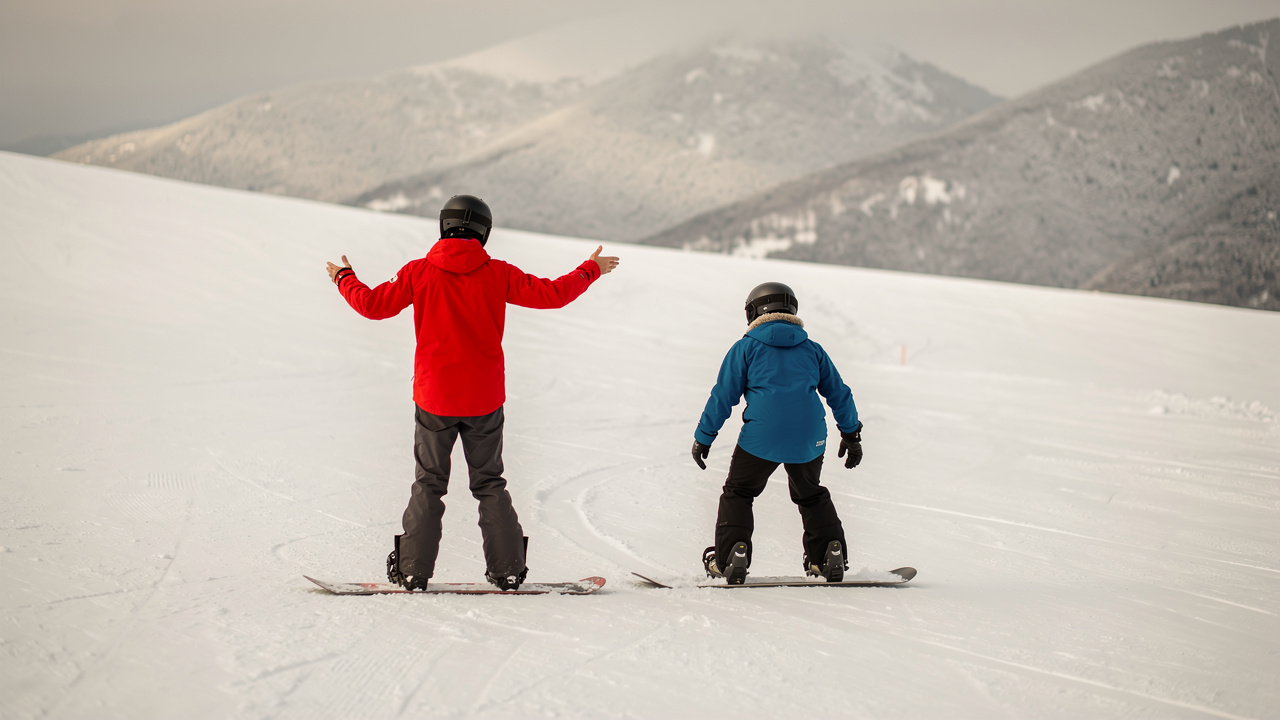
The first decision before you step onto the snow with a board is how you are going to learn. The safest and fastest approach is a lesson with a licensed instructor, which costs between €40 and €60 per hour at our major resorts but ensures a proper foundation. This is the most important investment you will make in your new sport.
In Bulgaria, as well as throughout Europe, winter sports such as snowboarding are extremely popular. As of 2026, access to quality rental equipment makes getting started much easier financially, without having to immediately invest in your own board and boots. This allows you to try the sport with minimal risk.
The main choice is between structured training and trying on your own. While learning with a friend may seem free, it often cements bad habits that are difficult to correct. A professional lesson is many times more effective.
| Criterion | Lesson with an Instructor | Learning with a Friend | Self-Teaching |
|---|---|---|---|
| Expected cost | €40-60 / hour | Free (excluding equipment) | Free (excluding equipment) |
| Effectiveness | High | Low to medium | Very low |
| Safety | High | Depends on the friend’s experience | Low |
| Common mistake | None | Learning incorrect technique | Giving up due to lack of progress |
First Steps: Instructor, Friend, or Self-Taught?
Many people believe that learning with a friend is the best way to start. The reality is that this is often a recipe for slow progress and potential injuries. Even if your friend is a good snowboarder, they rarely have the teaching method needed to explain the basics – edge control, proper stance, and initiating a turn. They simply ‘know how to do it’, but do not know how to teach it.
A licensed snowboard instructor, on the other hand, follows a proven program. The lesson starts on safe, flat terrain, where you learn balance and how to fall correctly. The investment in a professional lesson pays off many times over by quickly building confidence and proper habits, saving you weeks of fruitless attempts and painful falls.
Self-teaching is the hardest route. Without feedback, it is almost impossible to understand why you keep ‘catching an edge’ or cannot control your speed. If budget is the main factor, it is better to invest in a single two-hour lesson than to struggle on your own for an entire weekend.
What Equipment Do You Need to Get Started?
Is it mandatory to wear a snowboard helmet?
Yes, wearing a helmet is absolutely essential, especially for beginners. Falls are unavoidable, and a helmet protects against serious head injuries while also giving you more confidence.
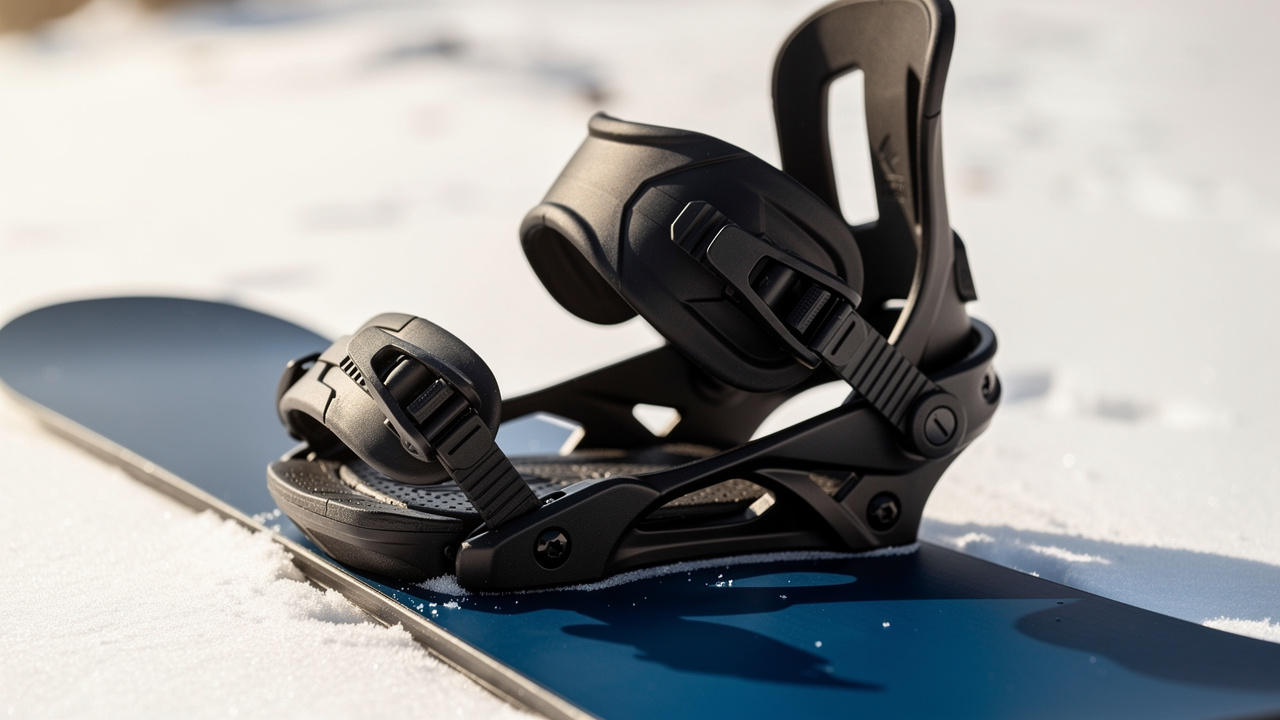
The basic snowboard setup includes several essential items. These are a snowboard with bindings, snowboard boots, a helmet, and a mask/goggles. Without any one of them, your experience on the slope will be incomplete and potentially dangerous. Clothing is also crucial – you need waterproof pants and a jacket.
For your first few times on the slopes, renting equipment is the most sensible financial move. Prices for a full setup (board, bindings, boots) at Bulgarian resorts vary, but are usually around €25-35 per day. This allows you to try different boards and find out what feels comfortable before making a major investment.
Typical rental price (weekend): around €50-70
Advantage of renting: Trying different models
Disadvantage: Possibility of older or worn equipment
Critical item: Always try on the boots – they should be the exact right size
For example, for a weekend in Borovets, renting a full setup from a rental shop will cost you around €60. If you decide to buy brand-new beginner-level equipment, be prepared to spend at least €400-500. The difference is significant, so do not rush into buying.
Choosing the Right Board and Settings
What size snowboard do I need?
As a general rule, when standing upright next to you, the board should reach somewhere between your chin and nose. Shorter boards are more maneuverable and easier to learn on, while longer boards are more stable at higher speeds.
The expert approach to choosing a board focuses on compatibility with the rider’s weight and riding style, not just their height. Beginners often make the mistake of choosing a board that is too stiff or too long, attracted by its ‘professional’ look. This makes control and initiating turns extremely difficult.
For your first steps, look for an ‘all-mountain’ snowboard with soft to medium flex. This type of board is versatile and forgiving of many mistakes. The binding setup is also important. Before you start, you need to determine which is your lead foot (‘regular’ for left, ‘goofy’ for right). A simple test is to run and slide across a smooth surface – the foot you instinctively put forward is your lead foot.
Incorrectly set binding angles can cause discomfort and even knee pain. For a beginner, a good starting point is +15 degrees on the front foot and 0 or a slightly negative angle (-3 to -6) on the rear. Most rental shops will set this up for you.
Where to Make Your First Runs?
What is the fastest way to learn to snowboard?
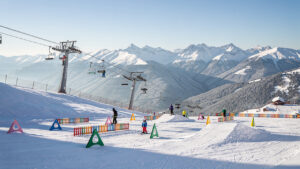
The fastest way is to spend your first few hours in a designated learning area. These zones have a minimal slope and often feature a ‘magic carpet’ (conveyor lift), which makes getting back up easy and safe.
The biggest mistake is going straight onto the main slope. The steep gradient, high speed, and crowds of skiers and other snowboarders are a sure recipe for failure, fear, and giving up. Your first runs should be on almost flat terrain, where you can get a feel for your balance on the board without it trying to ‘escape’ from you.
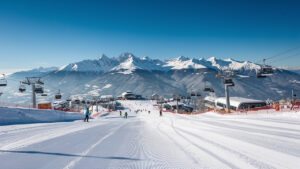
All the major Bulgarian resorts – Bansko, Borovets, Pamporovo – have excellent learning areas. They are wide, with a very gentle slope, and separated from the main traffic. There you can safely practice gliding with one foot, making ‘garlands’ (your first attempts at turning), and learning how to stop. Current data for the 2026 season shows that these areas are becoming increasingly well equipped.
Ideal place to start: Learning area with a conveyor lift
Terrain characteristics: Minimal slope, wide area
What to avoid: Narrow, icy, or overcrowded slopes
Next step: Easy ‘blue’ slopes
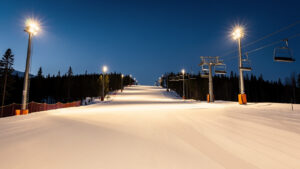
Once you have mastered the basics in the learning area, move on to the easiest ‘blue’ slopes. Avoid riding at the end of the day, when the slopes are chopped up and icy. Fresh snow in the morning is your best friend.
Common Mistakes and How to Avoid Them
Controlling a snowboard requires practice, but avoiding a few basic mistakes can speed up the process dramatically. The most common problem is looking down at the board. This disrupts your balance. Instead, keep your head up and look in the direction you want to move.
Another typical mistake is leaning too far back. Fear of speed causes beginners to shift all their weight onto the rear foot. This, however, makes the board almost impossible to control. The correct stance requires slightly bent knees and weight distributed evenly or slightly toward the front foot. This is the only way to initiate a turn.
So-called ‘edge catching’ is the most painful mistake. It happens when the downhill edge of the board digs into the snow and brings you to an abrupt stop. To avoid it, always keep your weight on the uphill edge – either on your heels (backside) or on your toes (frontside). Never leave the board completely flat against the snow, except on completely flat terrain.
Do not be afraid to fall. Falling is part of learning. Try to fall backward onto your butt or forward onto your knees and hands, aiming to distribute the impact. Wearing wrist and hip protectors at the beginning is also not a bad idea.
Frequently Asked Questions
How do you learn to ski or snowboard?
The most effective way is through a lesson with a licensed instructor. You start in a designated learning area with a gentle slope. First, you learn balance, proper stance, and controlled stopping. Once you have mastered the basics, you move on to easy ‘blue’ slopes. Self-teaching is possible, but it is slower and carries the risk of developing bad habits.
How much does it cost to start snowboarding in Bulgaria?
Initial costs can be minimal if you rent equipment. Renting a full setup (board, boots) costs around €25-35 per day. An instructor lesson costs between €40 and €60 per hour. A lift pass for the learning area is cheaper than one for the entire resort. Buying new beginner-level equipment starts at around €400-500.
Which is easier to learn, skiing or snowboarding?
It is generally accepted that skiing is easier for the first few hours because the legs are separated and balance feels more intuitive. Snowboarding has a steeper initial learning curve because both feet are fixed to a single board. However, once the basic turn is mastered, progress in snowboarding is often faster and reaching an intermediate level becomes easier.
At what age can a child start snowboarding?
Most ski schools accept children for snowboard lessons from around 6-7 years old. Before this age, coordination and leg strength may not be sufficiently developed. For younger children (3-5 years old), it is generally recommended that they start with skiing, as the movement is more natural for them.
Do I need special clothing for snowboarding?
Yes, suitable clothing is essential. You need waterproof and breathable jacket and pants. Dress in layers – thermal underwear, fleece or another mid-layer, and an outer layer (jacket/pants). Good snowboard gloves, high socks, and a face mask or goggles are also essential for comfort and protection from the elements.
What is the difference between a ‘regular’ and ‘goofy’ stance?
‘Regular’ means riding with your left foot forward, while ‘goofy’ means riding with your right. It is like being left- or right-handed. There is no right or wrong, it is simply a matter of personal feel. You can find out which is your lead foot by running and sliding on ice – the foot you instinctively put forward is your lead foot.