
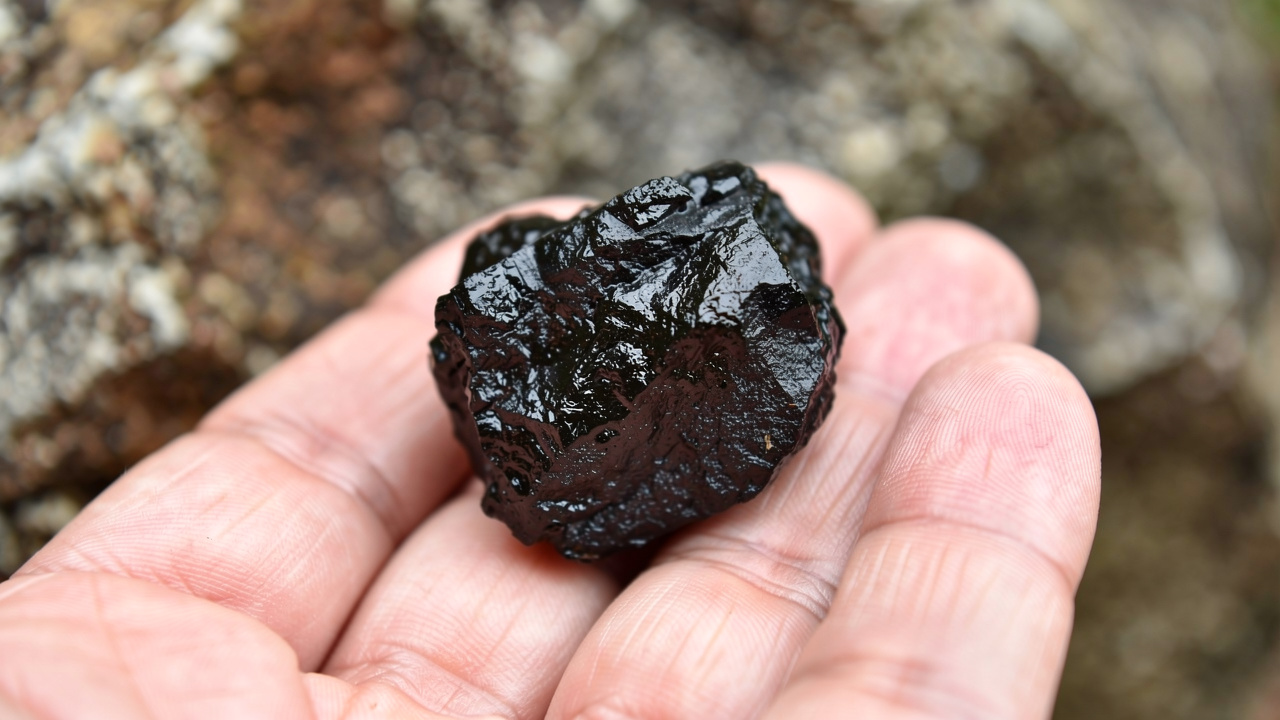
Mumio is a natural resinous substance found in cracks in high-mountain rocks, known as “black gold” because of its rarity and concentrated composition. It is believed to support the body’s recovery processes.
- Authentic Mumio has a strong, distinctive smell and dissolves completely in water without leaving sediment.
- The price of purified resin is significantly higher, often exceeding €50 for a small quantity.
- Mumio is contraindicated during pregnancy, breastfeeding and in some autoimmune conditions.
- Unpurified raw Mumio may contain heavy metals and other dangerous impurities.
- The collection process is extremely difficult and slow, which determines the product’s high value.
The most reliable form of Mumio is purified resin – a dark, pliable mass that dissolves completely in warm water. This simple test effectively separates it from most imitations on the market. Genuine product never leaves greasy marks or a hard sediment, but turns the water a rich cognac color.
For Bulgarian enthusiasts of natural products, interest in Mumio is higher than ever in 2026, but so are the number of counterfeits. Knowing its origin, such as specific deposits in the area around the Rhodope village of Kushla, is an important clue to authenticity, but not the only one.
The mystery surrounding “black gold” often overshadows the practical risks of using it. The true value of this natural treasure lies not in the legends, but in understanding its proper and limited use in line with modern knowledge of safety.
| Parameter | Raw resin | Purified resin | Capsules / Powder |
|---|---|---|---|
| Purity and safety | Low (risk of impurities) | High | Variable (depends on the manufacturer) |
| Concentration | Unclear | High and consistent | Standardized, but often lower |
| Approximate price (per 10 g) | Around €15–25 | Over €50 | Difficult to compare |
| Ease of dosing | Difficult and inaccurate | Easy (grain-sized amount) | Very easy and precise |
What is Mumio and why is it called “black gold”?
Why is Mumio the “black GOLD” of the Rhodopes?
It is called “black gold” because it is exceptionally rare, difficult to collect by hand from high-altitude rocks, and rich in minerals accumulated over centuries.
Mumio is a complex natural organo-mineral substance that forms in rock cavities and cracks at high altitudes. It is a dark brown to black resinous mass resulting from the slow decomposition of specific plant species mixed with minerals from the rocks. The word comes from Persian and means “protecting the body”.
The nickname “black gold of the Rhodopes” comes from the fact that collecting it is an extremely laborious and dangerous activity. Collectors, often local people with decades of experience, climb difficult-to-reach rocks to manually extract small quantities of the valuable substance. Collecting one kilogram of raw material can sometimes take weeks of work.
Its composition is unique – it contains dozens of micro- and macronutrients, amino acids, vitamins and fulvic acid, which is considered its main active component. It is precisely this concentration of beneficial substances, accumulated naturally over hundreds of years, that gives it its high value.
How to recognize quality Mumio from imitations?
The expert approach to identifying genuine Mumio is to dissolve it. Break off a piece about the size of a grain of rice and drop it into a glass of warm water. Authentic product will begin to dissolve almost immediately, without the need for stirring, and will color the water evenly without leaving sediment or a greasy film on the surface.
The most common mistake is relying only on appearance. Many counterfeits made from bitumen, ozokerite or even burnt sugar can look almost identical. However, they either do not dissolve completely or leave solid particles and an unpleasant chemical smell. Genuine resin has a strong, distinctive, slightly balsamic aroma that becomes more pronounced when warmed in the palm of your hand.
Plasticity test: It is hard at room temperature but softens in the palm from body heat.
Taste: Slightly bitter, without sweetness or a chemical aftertaste.
Solubility: Completely soluble in water, partially soluble in alcohol.
Critical sign of a fake: Sediment, greasy marks or a petroleum-like smell.
A specific example of fraud is the sale of “Mumio” at tourist stalls when it is simply a mixture of clay and animal urine. Such a product is not only useless, but can also be dangerous. Always ask for information about its origin and purification method. Trusted sources are usually small producers from Rhodope villages who pass the craft down from generation to generation.
Extraction and purification: The process behind the authentic product
How long does it take to collect 100 grams of Mumio?
Collecting 100 grams of pure resin can take an experienced collector several days of work in difficult mountain conditions, which explains the high price.
The practical reality behind the extraction of Mumio is far removed from romantic notions. The process requires exceptional physical fitness and knowledge of the mountains. Collectors identify rock formations where there are “tears” of resin, often in vertical and inaccessible places. The material is collected by hand, scraping off small pieces of raw substance.
Raw Mumio collected directly from the rocks is not suitable for consumption. It contains impurities such as sand, plant particles, animal remains and sometimes heavy metals. That is why purification is an essential and critically important stage. The traditional method involves repeatedly dissolving the raw material in clean spring water, filtering it and slowly evaporating the water in the shade until a thick, clean resin is obtained.
The expert technique during purification is to avoid high temperatures. Heating above 40°C may destroy some biologically active compounds and reduce the product’s effectiveness. This is precisely why quality purification is a slow and delicate process that distinguishes conscientious producers.

What are the risks and common mistakes when using it?
Can Mumio be taken with medication?
No, Mumio should not be combined with medication without consulting a doctor, as it may alter how the medication is absorbed and affects the body.
The most common mistake when using Mumio is taking more than the recommended dose in the hope of getting a “faster effect”. This is completely wrong. Standard practice calls for a very small amount – usually the size of a grain of rice or wheat (around 200–250 mg), dissolved in water or milk, once or twice a day.
The product has clear contraindications. It should not be taken by pregnant women, breastfeeding women or children under 12 years of age. People with autoimmune diseases, gout or kidney problems should be extremely cautious and consult a specialist, as Mumio may affect the immune system and uric acid levels. Current data as of 2026 confirm that self-medication carries risks.
Typical daily dose: 200–500 mg (grain-sized)
Course duration: Usually 20–25 days, followed by a break.
Contraindications: Pregnancy, breastfeeding, oncological diseases.
Critical interaction: Alcohol is completely prohibited during use.
One of the hidden risks is consuming an unpurified product. Raw resin may contain pathogenic microorganisms and toxic substances. Therefore, the step you should always take is to look for a product that has undergone laboratory testing and has a certificate of purity.
Traditional use and modern applications
Despite the widespread belief that Mumio is a cure-all, its traditional use in the Rhodopes was quite specific. Folk medicine mainly used it to speed the healing of broken bones and to strengthen the body after serious illness or physical exhaustion. It was not used as a daily remedy “for energy”.
Today, its applications are broader, and it is often included in cosmetic products for skin regeneration or used as a dietary supplement. Its practical use by athletes for faster recovery after injuries is one of the modern areas being studied. It is important to know that it acts as an adaptogen – helping the body cope with stress, but not treating specific diseases.
As a practical step, if you decide to use it for strengthening the body, start with the minimum dose to test how your body reacts. The proper approach is to use it in cycles – for example, 25 days of use followed by at least 10 days of rest. Continuous use without breaks is not recommended and may place a strain on the body. This is another reason to approach this powerful natural remedy with respect and awareness. The use of Mumio should be a conscious choice, not an impulsive decision.
Frequently Asked Questions
Did you know about the black gold of the Rhodopes?
Yes, “black gold of the Rhodopes” is the popular name for Mumio – a rare natural resin collected by hand from high-mountain rocks. The name comes from its color, the difficulty of collecting it and its high value, similar to real gold. It has been valued in folk medicine for centuries.
What is the price of genuine Mumio?
The price varies considerably depending on quality and purity. Unpurified raw material is cheaper, but carries risks. High-quality purified resin is expensive, with prices often starting at around €50 for 10 grams and reaching much higher levels when origin and purity are proven.
Can Mumio be used for weight loss?
There is no scientific evidence that Mumio directly causes weight loss. It may support metabolism and provide energy, which could indirectly contribute when combined with diet and exercise. However, using it solely for this purpose is not recommended and is not among its traditional applications.
How long can Mumio be stored?
Properly stored purified Mumio has practically unlimited shelf life. It should be kept in a dry, dark place at room temperature and well wrapped so that it does not dry out. Over time it may become harder, but it does not lose its properties and becomes pliable again when warmed.
Is there a difference between Mumio from the Rhodopes and that from other regions (Altai, Himalayas)?
Yes, there are differences in composition. Although the main component (fulvic acid) is similar, the mineral content and specific plant residues vary according to the geology and flora of each region. Rhodope Mumio is valued for its unique composition, shaped by the mountain’s specific natural environment.
What does Mumio taste like?
Authentic purified Mumio has a strong, characteristic and distinctly bitter taste. It should not have any sweetness, saltiness or chemical aftertaste. Bitterness is one indicator of authenticity, as imitations often have a neutral or unpleasant artificial taste.