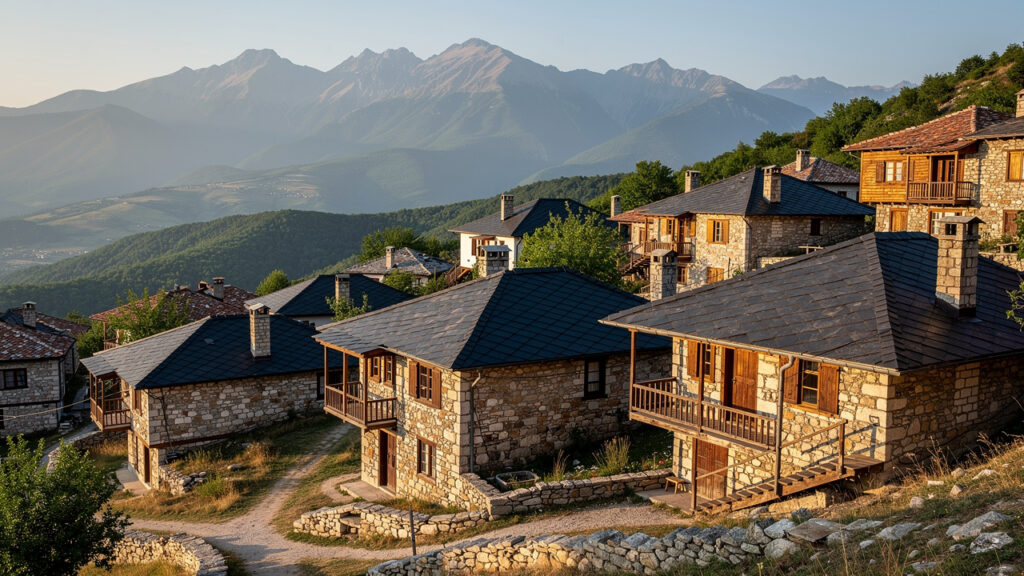
Leshten is an architectural reserve in the Western Rhodope Mountains, known for its authentic Bulgarian National Revival houses with stone roofs. The village offers a unique escape from city life, combining well-preserved history with modern comforts and local cuisine.
- Book your accommodation months in advance, especially for weekends and the summer season, as the number of available places is limited.
- The traditional architecture features stone-slab roofs known as tikli, a defining feature of local houses.
- Car access within the village is heavily restricted, so park in the designated areas at the entrance.
- Beyond its architecture, the area offers walks to small chapels and viewpoints overlooking the Pirin Mountains.
- Overnight stays in restored guesthouses are more expensive than the average for rural tourism in Bulgaria.
The key to making the most of your visit to Leshten is not simply getting there, but knowing how to experience it. The village is a living community, not an open-air museum, which means booking ahead is essential and driving through its cobbled streets is practically impossible. One of its most distinctive features is its stone-slab roofs, known as tikli, which give the village its unmistakable appearance.
In 2026, demand for authentic, secluded destinations in Bulgaria continues to grow, putting Leshten under increasing pressure. Its success as a destination depends on striking a delicate balance between preserving its character and welcoming visitors. Its proximity to the mineral springs of Ognyanovo, just 15 km away, makes it an ideal base for a combined village and spa break.
The main challenge for visitors is finding the peace and quiet that brought them here in the first place. The real charm of Leshten lies not in its popular photo spots, but in quiet mornings overlooking the Pirin Mountains and evenings spent beneath the stars, away from the crowds.
What Makes Leshten Different from Other Villages in the Rhodope Mountains?
What Makes Leshten’s Architecture Unique?
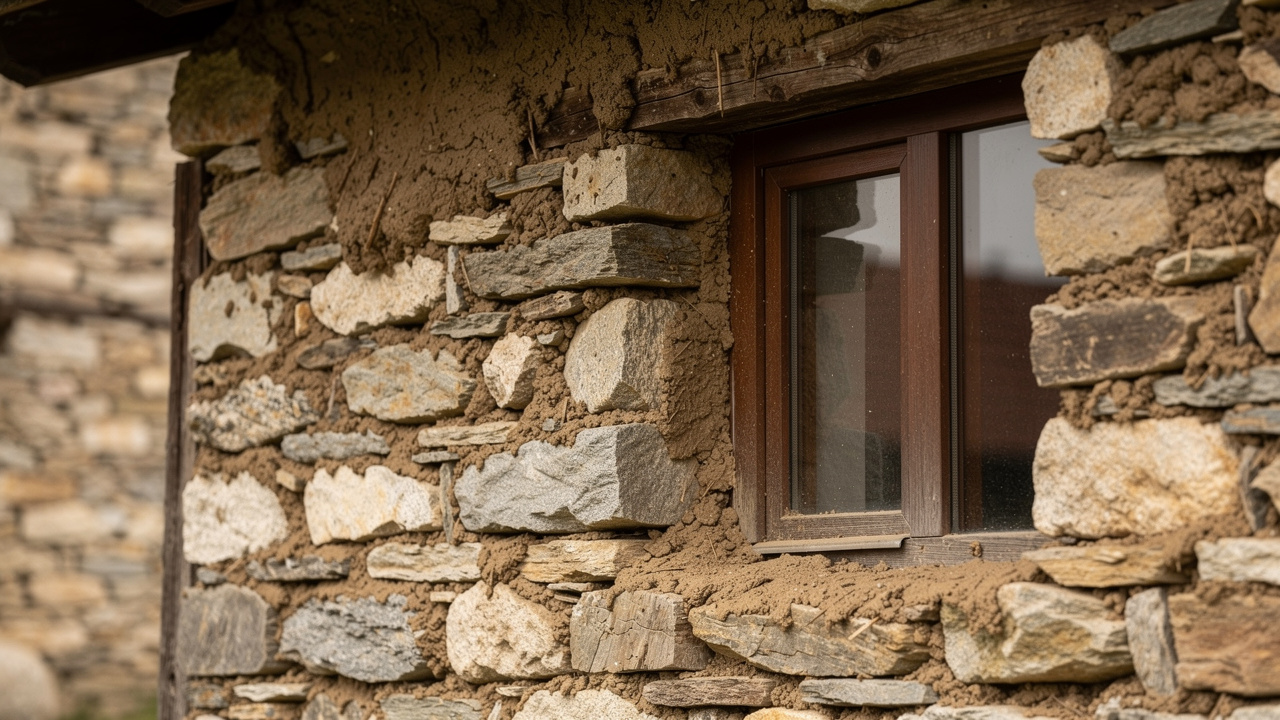
Its uniqueness lies in the preserved ensemble of Bulgarian National Revival houses built entirely from stone, wood and clay, with distinctive stone-slab roofs known as tikli. This traditional building style creates an atmosphere unlike anywhere else.
Leshten has been declared an architectural and historical reserve, setting it apart from many other beautiful mountain villages. This status ensures that all restoration work and new construction follow strict rules designed to preserve its traditional appearance. The houses here are more than just old buildings; they form a cohesive architectural ensemble dominated by two materials: stone and wood.
Unlike some similar destinations, many of the houses here have been restored and converted into high-quality guest accommodation without losing their traditional charm. This combination of Bulgarian National Revival architecture and modern comforts is precisely what attracts a particular type of visitor. A closer look reveals the details: not just the tikli roofs, but also the small windows, wooden verandas and thick stone walls designed to keep the houses cool in summer and warm in winter.
Planning Your Trip: Accommodation, Prices and the Best Time to Visit
What Type of Traveller Is Leshten Best Suited For?
Leshten is ideal for travellers looking for peace and quiet, an authentic atmosphere and a break from everyday life. It is not the right choice for those who enjoy noisy entertainment and a lively nightlife.
Planning is essential for a successful trip to Leshten. The best approach is to book your accommodation at least two to three months in advance, especially if you want to visit on a weekend or around a national holiday. The village has limited capacity, and the best guesthouses fill up quickly. Prices are higher than average for rural tourism, reflecting the village’s unique character and strong demand.
Spring and autumn are the best seasons to visit, when the surrounding landscape is at its most beautiful and there are fewer visitors. Summer is also pleasant thanks to the cooler mountain air, but it is the busiest season. If you’re looking for complete seclusion, avoid weekends. Winter has its own magic, with snow-covered roofs, but you’ll need to prepare for more difficult road conditions. Figures for 2026 show growing interest in weekday packages, which often offer better value for money.
Price range: High (above average for rural tourism)
Accommodation: Restored traditional houses, family-run hotels
Main limitation: Book well in advance (2–3 months)
Key consideration: Restricted car access within the village
What Not to Miss: Sights and Experiences in Leshten
Are There Places to Eat in Leshten, and What Is the Food Like?
Yes, several guesthouses in Leshten have restaurants serving traditional Rhodope cuisine. Expect dishes made with homegrown ingredients, patatnik, kachamak and oven-roasted meat, often sourced from the owners’ own farms.
Many visitors assume that the Leshten experience begins and ends with a walk along the cobbled streets and photos of the old houses. Its real appeal, however, lies in the small details and the activities beyond the usual sightseeing. Along with exploring the village streets, visit the Church of St. Paraskeva, built in 1836. Its modest structure, partly built below ground level, is typical of the period.
Don’t miss the small art gallery, which often features works inspired by the beauty of the Rhodope Mountains. For the best panoramic view of the village and the Pirin Mountains, take a short walk to the Chapel of St. Panteleimon above the village. The trail is easy and takes around 20–30 minutes. This is where the classic postcard views of Leshten are captured, especially at sunrise or sunset. Other popular destinations worth visiting nearby include the architectural reserves of Kovachevitsa and Dolen, as well as the mineral pools in Ognyanovo, also featured on the official tourism portal of Bulgaria.
What Are the Common Mistakes to Avoid When Visiting Leshten?
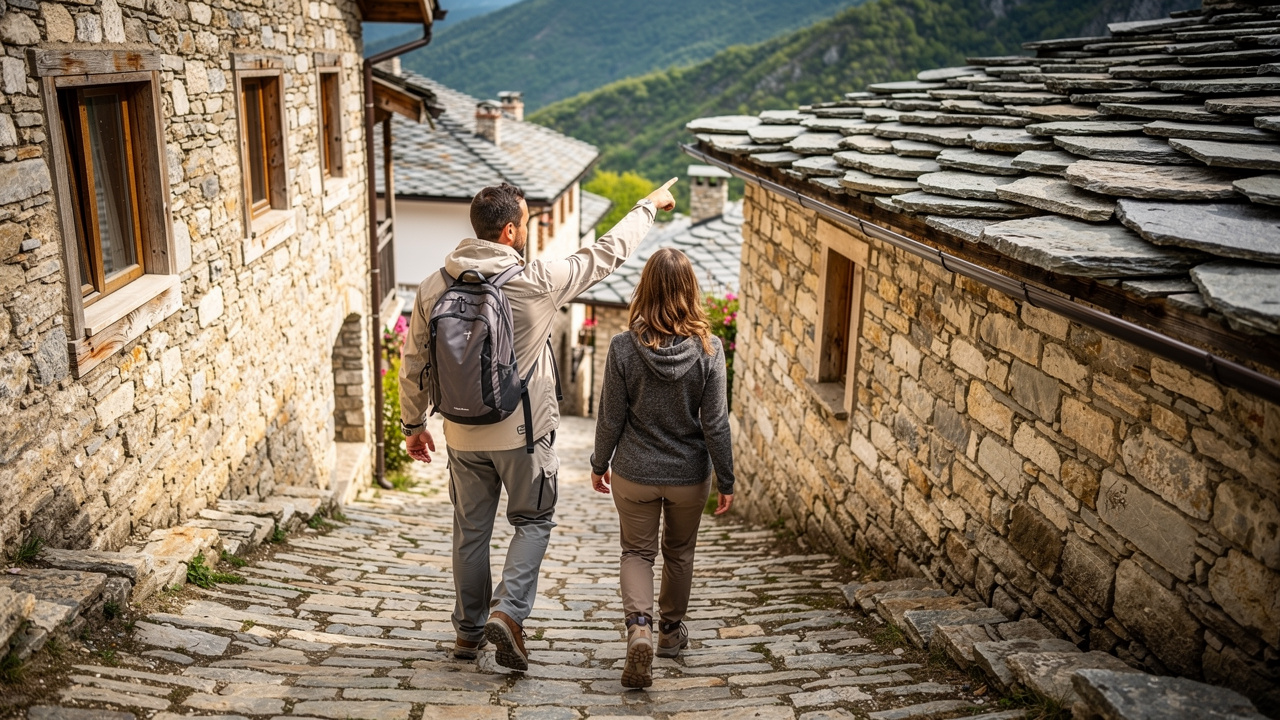
The most common mistake is trying to drive right up to the door of your guesthouse. The streets are narrow, steep and cobbled, making them extremely difficult to navigate and potentially damaging to your car. Many visitors overestimate their driving skills in these conditions, causing traffic jams or damaging their vehicles.
The better approach is simple. Park in the designated parking area at the entrance to the village and contact your guesthouse. Most hosts can arrange for your luggage to be transported in a suitable vehicle, usually a 4×4. Everywhere in the village is no more than a 5–10-minute walk away, and walking is part of the experience. This approach not only saves you stress and potential repair costs, but also helps preserve the peaceful atmosphere everyone comes here to enjoy.
Common mistake: Driving into the historic center
What to do instead: Park at the entrance to the village
Risk if you get it wrong: Vehicle damage or blocking the street
Practical tip: Arrange luggage transport with your hosts
Another mistake is assuming you’ll be able to find somewhere to eat at the last minute on a weekend. Restaurants at guesthouses often give priority to their own guests. If you’re not staying there, it’s best to call ahead and make a reservation so you don’t end up disappointed. That’s simply how things work in a small destination with limited capacity like Leshten.
Frequently Asked Questions
How Far Is Leshten from Sofia, and How Do You Get There?
Leshten is about 200 km from Sofia. The most convenient route is to take the Struma Motorway to the turnoff for Bansko/Gotse Delchev, then continue along a secondary road through the Predel Pass. The journey takes approximately 3 to 3.5 hours, depending on traffic and weather conditions. The final stretch after the village of Garmen has more bends in the road.
What Other Interesting Places Are There Near Leshten?
Another architectural gem, the village of Kovachevitsa, is just 8 km from Leshten. The mineral springs and pools of Ognyanovo are about 15 km away. The village of Dolen, also an architectural reserve, is around 20 km away. The area is also a convenient base for visiting the town of Gotse Delchev and nearby Dospat Reservoir.
Is Leshten Suitable for Visiting with Young Children?
Yes, Leshten is suitable for families with children who enjoy nature and peaceful surroundings. Keep in mind that the streets are steep and cobbled, which can make getting around with a stroller challenging. Many guesthouses have yards where children can play freely. The lack of car traffic in the village is a major safety advantage.
Is There Mobile Phone Reception and Internet Access?
Mobile phone reception is available in Leshten, but it can vary across the village, particularly inside houses with thick stone walls. Most guesthouses offer free Wi-Fi, which is generally fast enough for basic needs but may not always be suitable for video calls or work that requires a high-speed connection.
Do I Need Special Equipment to Visit Leshten?
No special equipment is necessary, but comfortable shoes are essential because the streets are steep and cobbled. It’s a good idea to wear layers, as mountain weather can change quickly. During the colder months, a warm jacket and hat are strongly recommended. If you plan to walk outside the village, hiking boots are a good choice.