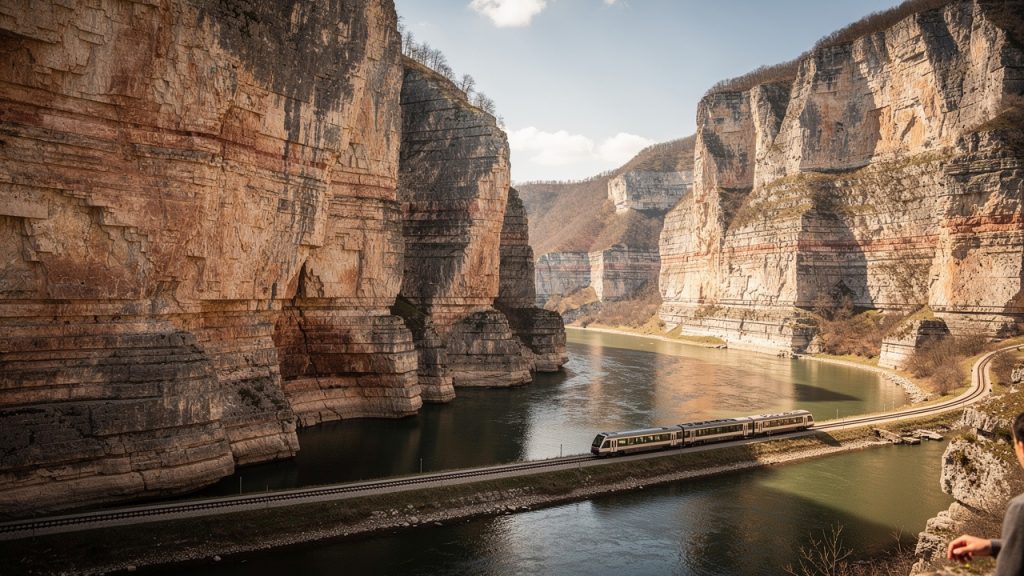
The Lakatnik Rocks Gorge is an impressive karst phenomenon in the Iskar Gorge, offering routes for hiking and mountaineering. It is a must-visit spot because of its combination of accessibility, natural beauty, and historical significance for climbers in Bulgaria.
- The area is extremely accessible by train from Sofia, eliminating the need for a car and parking problems.
- Some trails become dangerous in wet weather because of the slippery limestone rocks, requiring extra caution and proper footwear.
- Besides the popular routes, there are also dozens of small, unmarked caves accessible only to experienced cavers.
- The beginnings of organized mountaineering in Bulgaria were established precisely on these rocks in the 1930s.
- Food prices at the nearby restaurants are affordable, with a full lunch for one person costing around €10–15.
The Lakatnik Rocks Gorge can be reached in just over an hour by train from Sofia, making it the most accessible destination for mountaineering and hiking in the Iskar Gorge. Unlike other mountain areas, you do not need a car here – the railway station is at the foot of the main trails, allowing for a spontaneous day trip without logistical worries.
With the growing interest in local tourism in 2026, this place offers an escape from the city combined with an authentic feel. The rocks are part of Vrachanski Balkan Nature Park, which helps preserve the natural environment and maintain the main trails. This is an adventure that does not require lengthy preparation.
The Lakatnik Rocks are not simply a beautiful view, but an active hub where the history of Bulgarian mountaineering meets the modern desire for an accessible and meaningful getaway. The place is alive, with plenty of opportunities for everyone, depending on their abilities and wishes.
| Activity | Difficulty level | Equipment needed | Estimated costs |
|---|---|---|---|
| Hiking | Low to moderate | Comfortable shoes, water | Minimal (transport) |
| Mountaineering | High | Rope, helmet, harness, carabiners | Significant (for renting or buying equipment) |
| Caving | Moderate to very high | Helmet, headlamp, specialized equipment | Depends on the difficulty and need for a guide (€0 to 100+) |
Why plan a visit this weekend?
What is the historical significance of the Lakatnik Rocks for mountaineering in Bulgaria?
The beginnings of organized Bulgarian mountaineering were established here in the 1930s. The rocks served as the first mountaineering school and remain an iconic place for the climbing community to this day.
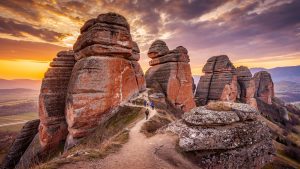
The Lakatnik Rocks have been declared a protected area and form an impressive rocky ridge reaching up to 250 meters in height. They are made mainly of reddish sandstone and grey limestone, creating a unique color palette, especially at sunrise and sunset. Their accessibility and beauty make them the perfect destination for a quick escape from the pace of the big city.
The main attraction of the area is the combination of easy, panoramic trails and serious climbing challenges. A family with children can easily hike to the Septemberists Monument in about an hour, enjoying breathtaking views along the way. At the same time, experienced mountaineers can test their skills on dozens of established routes.
The close proximity of Lakatnik railway station to the starting points of the routes is a major advantage. This allows you to plan your trip flexibly, without worrying about traffic or finding a parking space. Just pick a sunny day and get on the train.
Routes and activities: From an easy walk to extreme mountaineering
What extreme sports can be practiced at the Lakatnik Rocks?
The area is a well-known rock-climbing center with more than 350 routes. Caving is also practiced in the numerous caves, as well as BASE jumping from the high rock walls by the most experienced enthusiasts.
The options for activities around the Lakatnik Rocks Gorge are varied and suitable for different levels of fitness and experience. The most popular route is the hiking trail that starts at the Zhitolyub spring and climbs to the monument at the top of the rocks. The trail is well marked, relatively easy, and offers incredible panoramic views of the Iskar Gorge.
For more advanced hikers, there is the Alpine Trail. It is steeper, with sections secured by metal cables, and requires better physical fitness and sturdy footwear. Following it is a small adventure that brings you as close as possible to the rocky terrain. For climbers, Lakatnik is a true paradise, with routes of all difficulty levels – from easy ones for beginners to extremely difficult climbs requiring serious skills.
Main trail: About 1 hour one way
Best view: From the panoramic platform near the monument
Slip hazard: High on wet limestone
Water sources along the way: None after the starting spring
The route you choose depends entirely on your level of preparation. If you are with small children or simply want an easy walk, stick to the main trail. If you are looking for adrenaline and have experience, the Alpine Trail or one of the climbing routes will meet your expectations.
What are the risks and how can we avoid them?
Are the Lakatnik Rocks suitable for a family walk?
Yes, the main trail to the monument at the top is perfectly suitable for families with children. It is wide, has a moderate incline, and is safe as long as you do not stray toward unprotected edges.
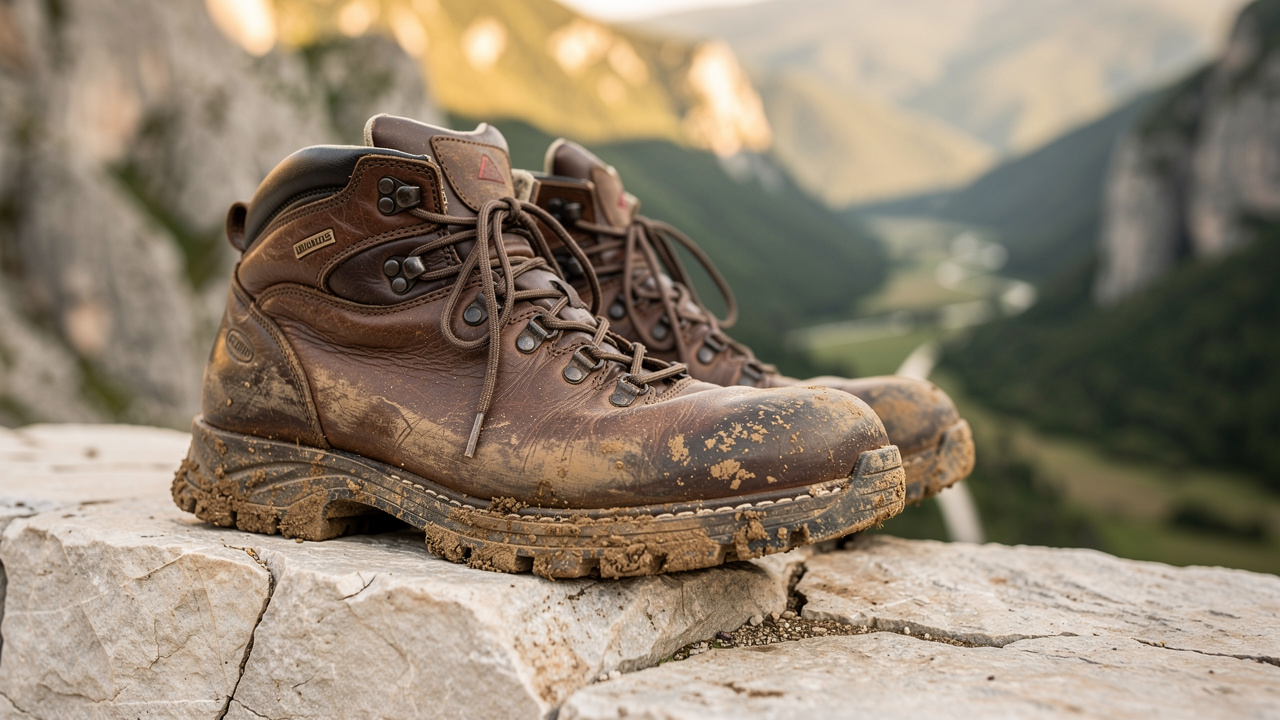
The most common mistake when visiting the area is underestimating the weather and terrain. Even on a sunny day, the limestone trails can become extremely slippery after a short rain, leading to falls and injuries. Wear hiking boots with good tread, not sneakers.
Another serious risk is dehydration. There are no springs or fountains along the main trails. The only water source is the Zhitolyub spring at the very beginning of the route. You should carry enough water – at least 1.5 liters per person, especially during the warmer months.
Do not leave the marked trails. The terrain is very rugged, with many hidden cracks and steep sections. The risk of getting lost or having an accident increases significantly if you decide to cut across the forest. For your safety, stick to the established and marked routes.
Hidden treasures: Caves and panoramic views
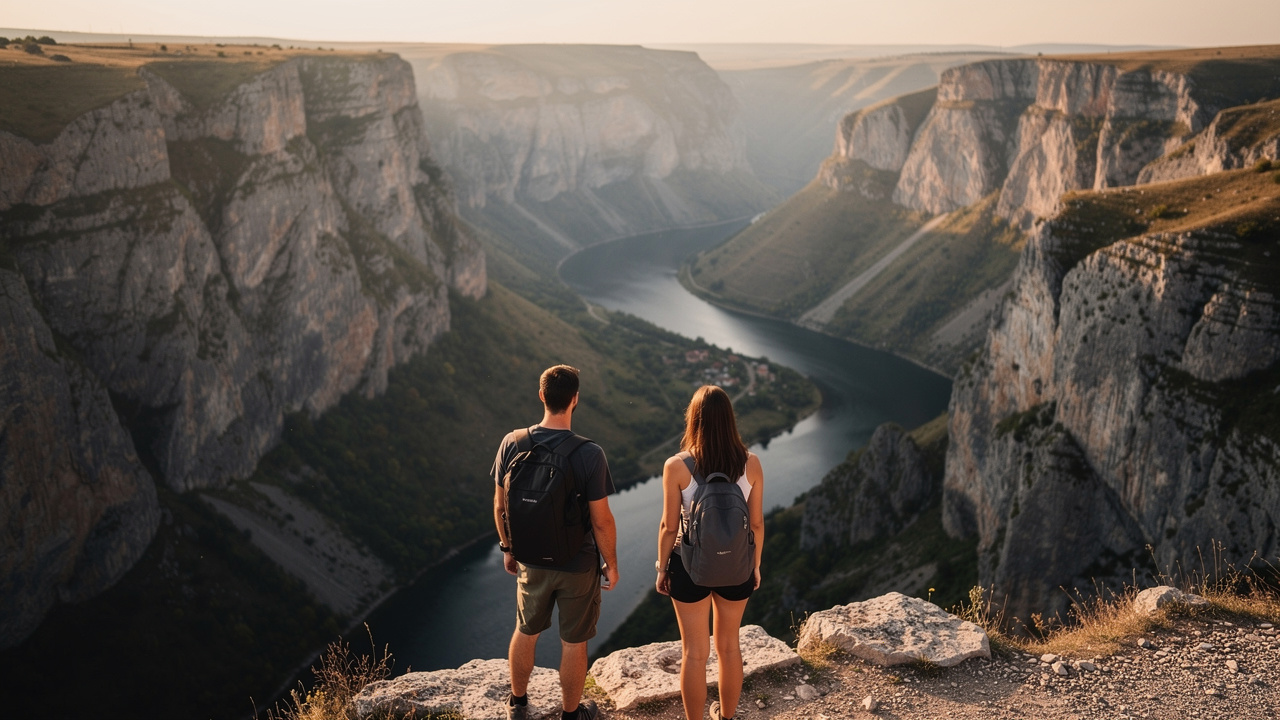
True connoisseurs of the area often avoid the crowds around the monument and head toward the lesser-known panoramic viewpoints. One such spot is located to the left of the main trail, shortly before the turnoff to Temnata Dupka Cave, and offers an untouched view of the gorge. Searching for places like these is part of the magic of the Lakatnik Rocks Gorge.
The area is exceptionally rich in karst formations. One of the longest cave systems in Bulgaria is located here, around Temnata Dupka Cave. The cave itself is a labyrinth of galleries and is accessible only to experienced cavers with a guide and specialized equipment. Its entrance, however, is easy to reach and is worth seeing.
Most famous cave: Temnata Dupka (undeveloped)
Access to the entrance: About 20 minutes from the main road
Entry restriction: Prepared groups only
Critical danger: Risk of rising water
Besides Temnata Dupka, there are dozens of smaller caves and niches in the rocks. Exploring them is dangerous without experience, but even searching for them along the slopes adds an element of discovery to the walk. Always treat nature with respect and do not take unnecessary risks.
Practical tips for food and transport to the Lakatnik Rocks Gorge
Contrary to what you might expect, you do not have to travel by car. The most convenient and authentic way to get to the Lakatnik Rocks Gorge is by train on the Sofia–Mezdra line. The journey is scenic, and Lakatnik station is located right at the foot of the rocks. A ticket costs a few euros, and the timetable allows for a full-day visit.
As for food, the options in the village of Lakatnik itself are limited but authentic. There are several small restaurants and shops. It is worth trying the local specialties at the restaurants around the station. Prices are quite affordable – expect to pay around €10–15 for lunch. For maximum flexibility, you can also prepare sandwiches for a picnic at one of the panoramic viewpoints.
A key tip when organizing your trip is to check the train schedule in advance, especially for the return journey. Current data for 2026 shows that trains run regularly, but it is still a good idea to have a backup plan. Arriving before 10:00 a.m. gives you more time for your walk and helps you avoid the hottest part of the day in summer. Carry cash, as not all places in the village accept card payments.
Frequently Asked Questions
What kind of rocks make up the Lakatnik Rocks, and why are they so colorful?
The Lakatnik Rocks are mainly made up of two types of rock – reddish sandstone below and grey limestone above. This geological structure, formed during different geological periods, creates their striking color contrast. The red hue is due to iron oxides in the sandstone, while the grey color is typical of limestone formations.
How did the railway line change the Iskar Gorge area?
The construction of the railway line through the Iskar Gorge in the late 19th century fundamentally changed life in the area. It provided quick and easy access to villages that had previously been isolated, stimulated economic development, and turned places like Lakatnik into a popular tourist destination for residents of Sofia. Without it, the rocks would not be as accessible.
Is there an entrance fee to visit the Lakatnik Rocks?
No, access to the Lakatnik Rocks protected area and the main hiking trails is completely free. The area is part of Vrachanski Balkan Nature Park and is freely accessible to all visitors. Your only expenses will be transportation and food.
What is the best season to visit the gorge?
The best seasons to visit are spring and autumn. The weather is mild then, nature is at its most scenic, and temperatures are ideal for hiking. Summer is also suitable, but you should avoid the midday hours because of the heat. Winter can be dangerous because of snow and ice on the trails.
Can I park my car easily?
Parking can be challenging, especially on weekends. There is limited unofficial parking around the Zhitolyub spring and along the road. Spaces fill up quickly. For this reason, traveling by train is highly recommended as a more convenient and hassle-free alternative.
Is it safe for solo travelers?
Yes, the area is relatively safe for solo travelers, especially if you stick to the main and well-used trails. Always let someone know your route and expected return time. Avoid entering unfamiliar and unmarked areas, especially caves, when you are alone.