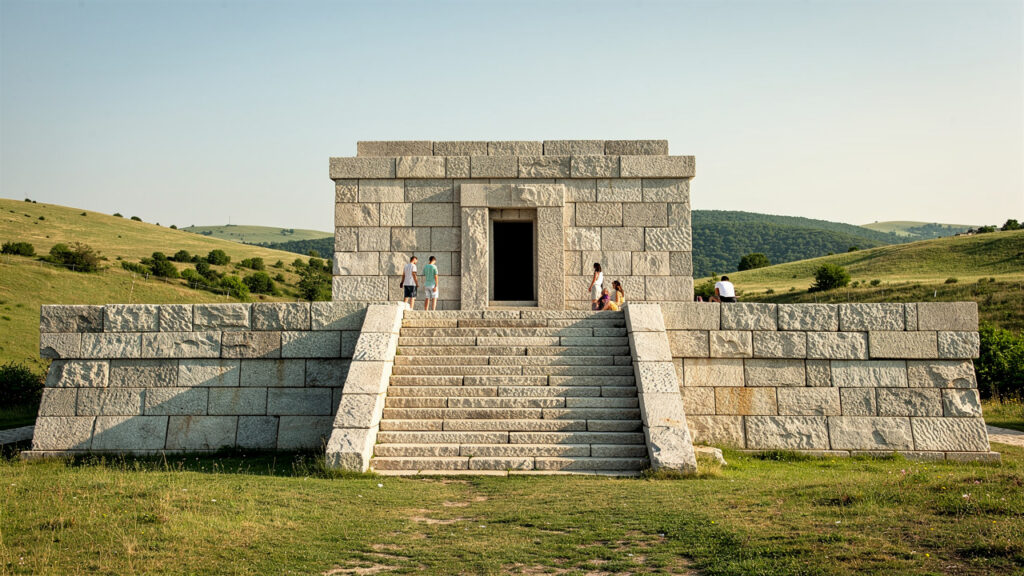
The Starosel Thracian Cult Complex is the largest royal mausoleum discovered so far in the Balkans, dating back to the 4th century BC. It is a monumental temple and tomb hidden beneath Chetinyova Mound near the village of the same name.
- The main temple at Chetinyova Mound is the only one in Thracian architecture with a facade featuring ten columns.
- Visiting on a weekday morning makes for a much quieter and more authentic experience of the site.
- Touching the stone blocks inside the tomb is strictly forbidden in order to preserve the fragile structures.
- The complex was discovered relatively recently, in 2000, by the archaeological team led by Dr. Georgi Kitov.
- The area around Starosel is also known for its wineries, which offer tastings of local grape varieties.
The Thracian cult complex near the village of Starosel is not just a single tomb, but an entire system of temples and mausoleums, the largest ever discovered. The central site beneath Chetinyova Mound functioned as a temple for rituals associated with Orphism before being used for the monumental burial of a Thracian ruler. Understanding this dual purpose is key to sensing its true energy.
For Bulgarian travelers in 2026, Starosel offers more than a history lesson. Located just two hours from Sofia, it is an ideal escape from everyday life, combining the mystique of the Thracians with the region’s modern wine and spa tourism. This is a place where thousand-year-old stones coexist with renowned local wineries.
The essence of the complex is not death, but ritual. The architecture was designed to serve complex ceremonies connected with the belief in immortality, rather than simply to preserve the body of a ruler. A visit becomes a journey back to a completely different way of seeing the world.
What is the Starosel complex actually?
What makes the Thracian complex at Starosel unique?
The uniqueness of Starosel lies in its scale – it is the largest Thracian royal complex with a mausoleum, as well as in the architecture of the central temple with its ten columns, something not seen anywhere else.
The Starosel Thracian Cult Complex is a group of several burial mounds in the village’s territory, beneath which temples and tombs have been uncovered. Although Chetinyova Mound is the best known, other sites have also been studied in the area, including Horizon Mound, where the only Thracian tomb with a colonnade was discovered. This is not an isolated monument, but an entire sacred area of the Odrysian kings.
Its importance lies in the monumental scale and complexity of its architectural solutions, which testify to strong centralized power and considerable engineering skills in the 4th century BC. The complex became internationally known after its discovery in 2000. according to Bulgaria’s official tourism portal, turning it into one of the most important archaeological discoveries of the new millennium.
Chetinyova Mound: The temple-mausoleum and its secrets
Is the main site at Starosel just a tomb?
No, the main site is a temple-mausoleum. It was originally an active temple for Orphic rituals and was only later used for the burial of a noble Thracian ruler, highlighting its dual function.
Most visitors focus on the central round chamber, but they miss a key detail at the entrance – a basin carved into the rock. Experts believe it was used for ritual purification with wine and water before entering the sacred part of the temple. These elements reveal the site as an active sanctuary rather than simply a final resting place.
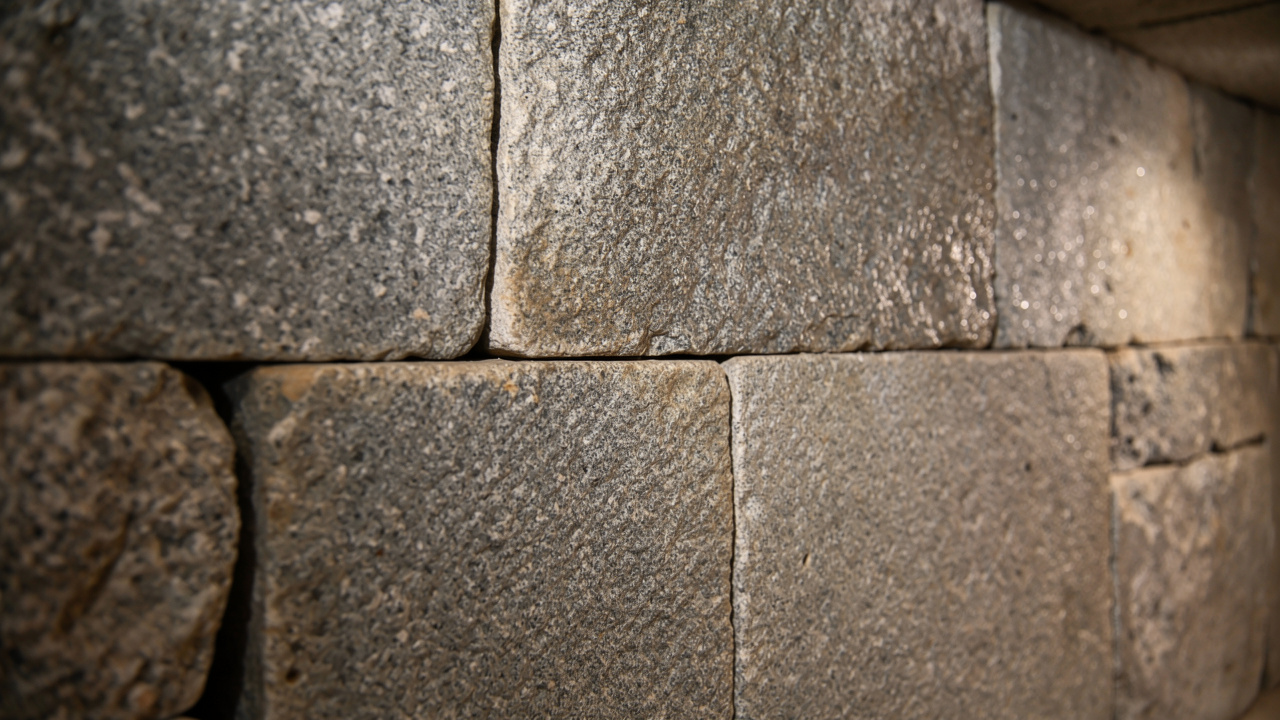
The architecture is impressive. A monumental staircase leads to a platform and a facade made of perfectly carved granite blocks. The central chamber is built from 24 vertical blocks and covered with a dome, while its entrance is protected by a double stone door. This is a display of power and knowledge, intended to impress and inspire awe in the ancient world.
Type of architecture: Monumental tomb-heroön
Key feature: The only Thracian temple with 10 columns
Actual restriction: Side chambers cannot be entered
Critical detail: Ritual purification basin before the entrance
To get a sense of the scale, imagine a ritual procession slowly climbing the ceremonial staircase and moving through the 13-meter-long corridor (dromos). The light gradually fades as you reach the antechamber and finally the main chamber – a journey from the profane to the sacred world. This is the experience the Starosel complex was built to create.
How to plan your visit in 2026?
What are the opening hours of the Starosel tomb?
The site is usually open every day from 9:00 a.m. to 5:00 p.m., but it is advisable to check the latest information before traveling, especially outside the main summer season, when the hours may change.
The most common mistake is to visit Starosel during peak weekend hours, especially in the afternoon. The site then fills with tour groups, disrupting its quiet and mystical atmosphere. For the full experience, plan your visit for a weekday, preferably in the morning right after opening at 9:00 a.m.
An expert approach requires a little preparation in advance. Read something about Orphism and Thracian beliefs before you go. That way, you will not simply see a pile of stones, but will recognize the symbols and purpose of each space. The practical part is simple: allow at least an hour and a half just for Chetinyova Mound. A quick five-minute photo from outside misses the whole point.
Ticket prices are affordable, with discounts usually available for students and pensioners. The entrance fee as of 2026 is around €3–4, but check on site. A combined ticket is often available, including other smaller sites in the area if they are open to visitors. Remember that flash photography inside is strictly prohibited in order to protect the stone structure.
Beyond the tomb: Wine, spa and the spirit of the region
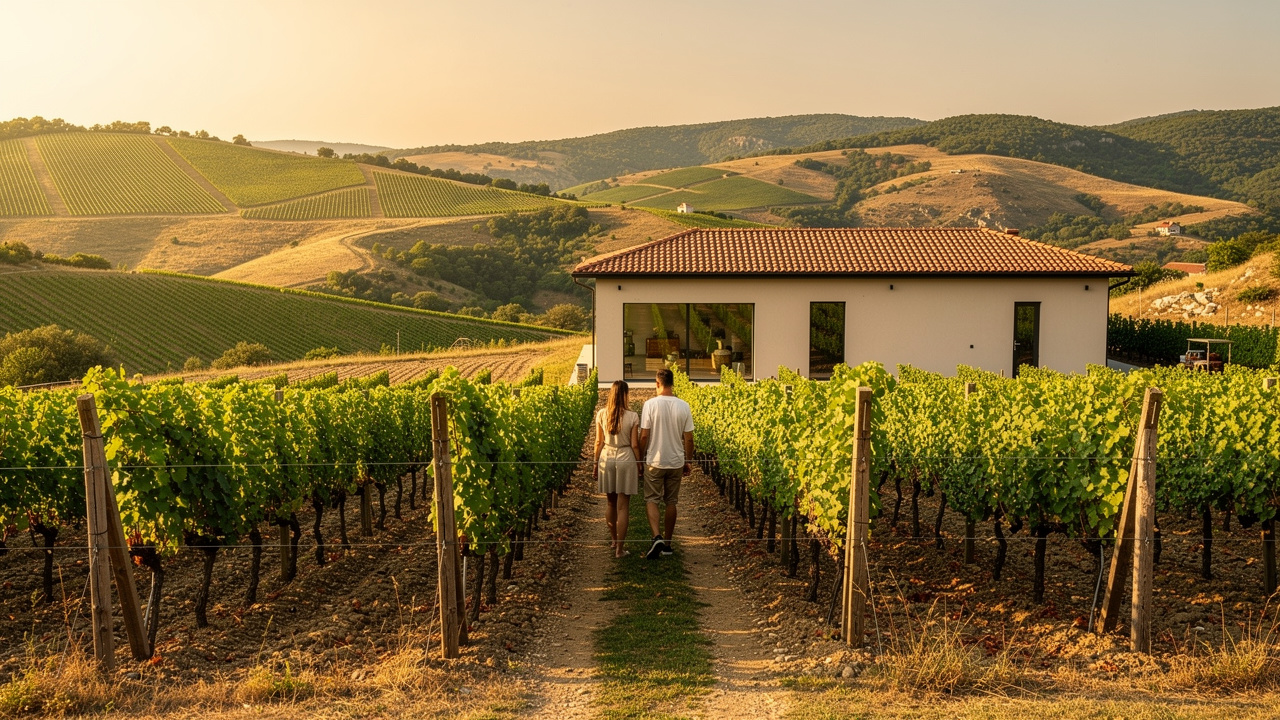
The real Starosel experience combines thousands of years of history with the region’s living traditions. After immersing yourself in the world of the Thracians, take some time to explore its other side as well. The area is famous for its vineyards and quality wine production, particularly from local grape varieties.
Several wineries in and around the village offer tastings and tours. You can try local Mavrud or other wines typical of the region, often paired with traditional appetizers. It is a chance to experience the terroir – the unique combination of soil, climate and human influence that shapes the character of the wine, just as it shaped the lives of the ancient Thracians.
Local specialty: Mavrud wine
Additional attraction: Spa complexes with mineral water
Common mistake: Missing out on the local cuisine
Cultural connection: Wine as a ritual element from the Thracians to the present day
For a complete break, many visitors combine cultural tourism with a spa stay. The proximity to Hisarya, known for its mineral springs, makes this combination easy and accessible. Even in the village of Starosel itself, there are complexes offering mineral water treatments and wine therapy, creating a bridge between ancient heritage and modern relaxation.
The key to a fulfilling experience is not to rush. Stay at least one night in the area. Only then will you have time to enjoy the sunset over Sredna Gora, the quiet after the crowds have gone, and a glass of local wine without watching the clock. This is the vibe of Starosel that you cannot experience with a quick snapshot.
Frequently Asked Questions
How much does a ticket to the Starosel tomb cost?
The standard ticket to visit the central tomb at Chetinyova Mound usually costs around €3–4. Discounts are available for schoolchildren, students and pensioners. It is always a good idea to check the current prices on site or on the official website, as there may be changes or combined tickets for several sites.
Can you take photos inside the Starosel tomb?
Yes, photography for personal use is allowed, but with one very important condition: flash photography is strictly prohibited. Strong light can damage ancient structures and surfaces. Professional photography or the use of a tripod generally requires prior permission from the site’s management.
Is Starosel suitable for visiting with small children?
Yes, the complex is suitable for visits with children, as it offers open space and an impressive view. However, the long corridor and the tomb chamber itself can be narrow and dark, which may not be comfortable for very young children. The stairs leading to the entrance also require care. This is primarily a historical monument, not a children’s playground.
Is there parking near the complex?
Yes, there is a visitor parking area near the entrance to the Starosel Thracian Cult Complex. On busy days and weekends, however, especially during the high season, spaces can fill up quickly. It is advisable to arrive earlier in the day to secure a convenient parking spot.
What is the best season to visit Starosel?
The best seasons to visit Starosel are spring and autumn. The weather is mild and pleasant, and the surrounding countryside is at its most beautiful. Summer is also suitable, but it can be very hot and visitor numbers are at their highest. The site is open in winter as well, but some of the smaller sites in the area may not be operating.
Who is buried in the Starosel tomb?
The identity of the ruler buried in the temple-mausoleum at Chetinyova Mound has not been established with certainty. It is believed to have been a powerful Thracian king of the Odrysian kingdom who ruled in the 4th century BC. The monumentality of the tomb and the richness of the rituals point to an exceptionally high status, possibly that of one of the successors of Cotys I.