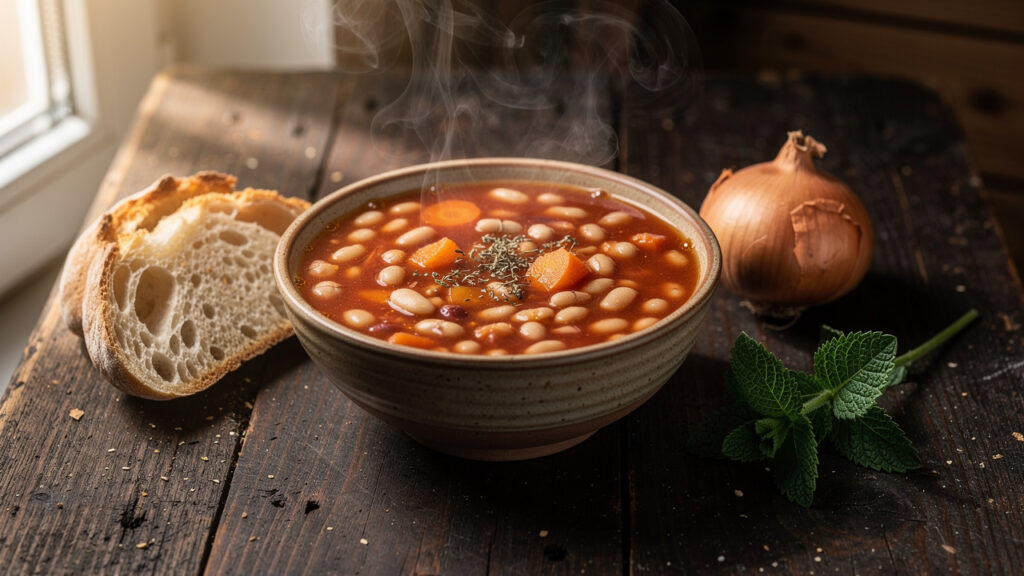
Beans are a staple food in Bulgaria because of their high nutritional value, low price and versatility. They are a rich source of plant protein, fibre and slow-digesting carbohydrates, making them extremely filling.
- Smilyan beans have a thinner skin and creamy texture, but require more careful cooking.
- To reduce bloating, soak dried beans for at least 8 hours and change the water before cooking.
- One kilogram of dried beans at an average price of €3–4 can provide a main meal for a large family.
- Despite their reputation as a winter food, white varieties are an excellent base for light and fresh summer salads.
- Improper storage in a dry place can harden the beans and drastically increase cooking time.
To make the perfect bean dish, soaking beforehand is absolutely essential – for at least eight hours. This simple process not only shortens cooking time, but also significantly improves the digestibility of the beans. Choosing the right variety is also key: Smilyan beans are indispensable for thick bean soup, while large white beans are meant for salads and spreads. Beans are not just food, but a technique.
Even against the backdrop of rising food prices in 2026, beans remain one of the most budget-friendly and reliable staples of the Bulgarian home menu. A hearty dinner for a family of four based on beans can still cost less than €5, reinforcing their status as a smart and economical choice. Their affordability makes them indispensable in almost every household.
Despite their deep roots in traditional cuisine, beans are experiencing a renaissance. Modern chefs are increasingly moving them beyond the context of soup and stew, turning them into elegant purées, innovative salads and even vegan pâtés. This trend shows their culinary versatility and potential to take centre stage on the modern table.
| Parameter | White Salad Beans | Smilyan Beans | Speckled Beans (Pinto) |
|---|---|---|---|
| Typical Price (per kg) | Around €3–4 | Around €5–7 | Around €2.5–3.5 |
| Cooking Time | ~60–70 minutes | ~45–60 minutes | ~80–90 minutes |
| Best Use | Salads, spreads, side dishes | Soups, stews, casseroles | Stews, purées, fillings |
| Texture After Cooking | Firm, holds its shape | Soft, creamy, breaks down easily | Medium-soft, floury |
Why is bean so popular in Bulgarian cuisine?
Why are beans called ‘the poor man’s meat’, and is that still the case?
They are called this because of their high protein content and low price, which make them an affordable substitute for meat. Today, although they are accessible to everyone, they retain this role as an economical and nutritious staple in the diet.
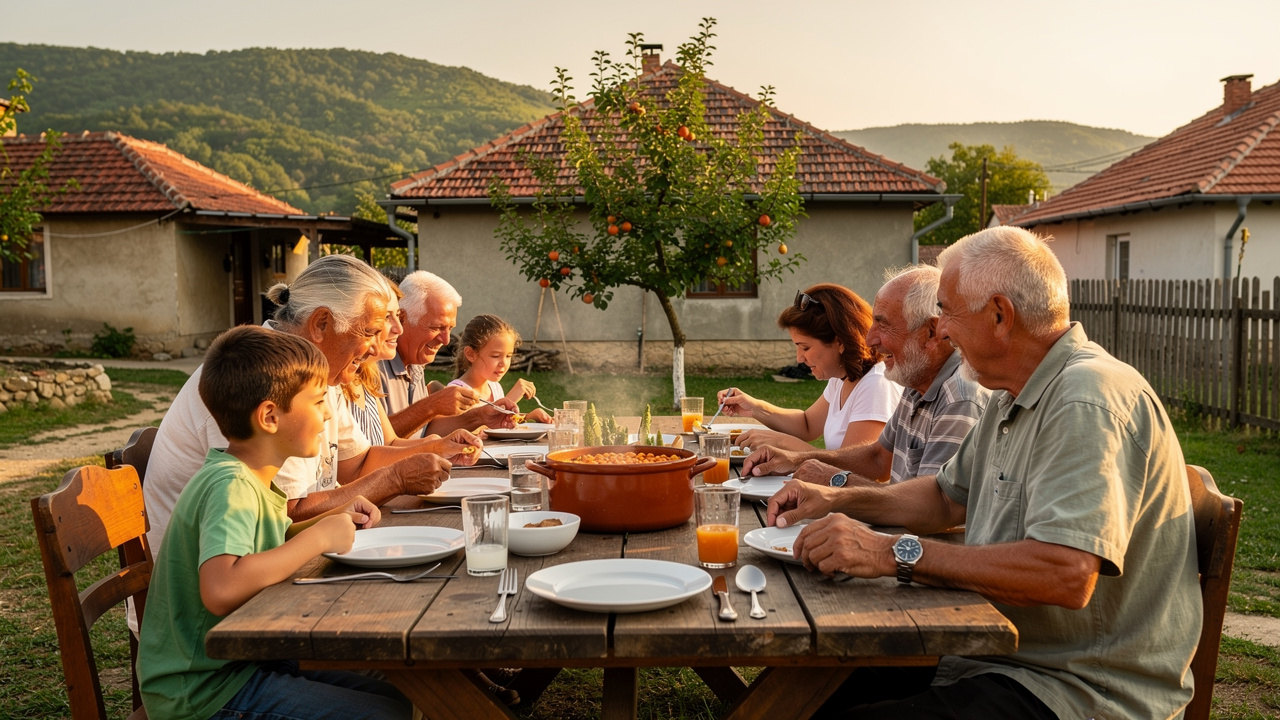
Historically, beans earned the nickname “the poor man’s meat” because they could provide a complete and filling lunch at minimal cost. In Bulgarian culture, they are a symbol of home comfort and security, especially during the colder months. Their popularity is not due only to their price, but also to their deeply rooted role in the national culinary identity – from monastery bean soup to baked beans in a clay pot.
The practical reality is that they are an extremely versatile product. A single packet of dried beans can be used to make both a thick soup for several days and a salad or spread. This flexibility makes them indispensable when planning the weekly menu. For a household, this means less waste and more possibilities from a single product. The action here is simple: always keep a packet of beans in the cupboard.
In many rural areas, growing beans for personal consumption is still a common practice. This not only reduces food costs, but also guarantees access to a clean, quality product. This self-sufficiency keeps the connection between the land and the table alive, passing knowledge of how to grow them from one generation to the next.
What are the nutritional benefits and risks?
What vitamins and minerals do beans contain?
Beans are rich in B vitamins (especially folate), iron, magnesium, potassium and phosphorus. They also provide a significant amount of dietary fibre, which is important for the digestive system.
A common misconception is that beans are simply “heavy food”. In reality, the feeling of heaviness and bloating comes not from the product itself, but from improper preparation. Beans are a nutritional powerhouse, packed with plant protein, complex carbohydrates that provide energy for a long time, and fibre. The key to avoiding discomfort lies in soaking beforehand and slow cooking.
The main risk associated with eating beans is digestive discomfort. It is caused by a type of complex sugar (oligosaccharides) that the human digestive system cannot fully break down. The expert approach to minimizing this effect is to soak the beans for 8–12 hours, discard the water and add spices such as savory or cumin while cooking, which aid digestion.
Protein Content: ~21 g per 100 g of dry product
Main Benefit: Helps maintain stable blood sugar levels
Potential Drawback: May cause bloating if not soaked
Critical Point: Raw or undercooked beans are toxic
Consumption should be avoided or limited by people diagnosed with favism (G6PD deficiency), as it may trigger a serious haemolytic reaction. In cases of chronic gastrointestinal conditions such as irritable bowel syndrome, consulting a doctor is advisable before including larger amounts of legumes in the diet.
Bean varieties in Bulgaria: from Smilyan to the table
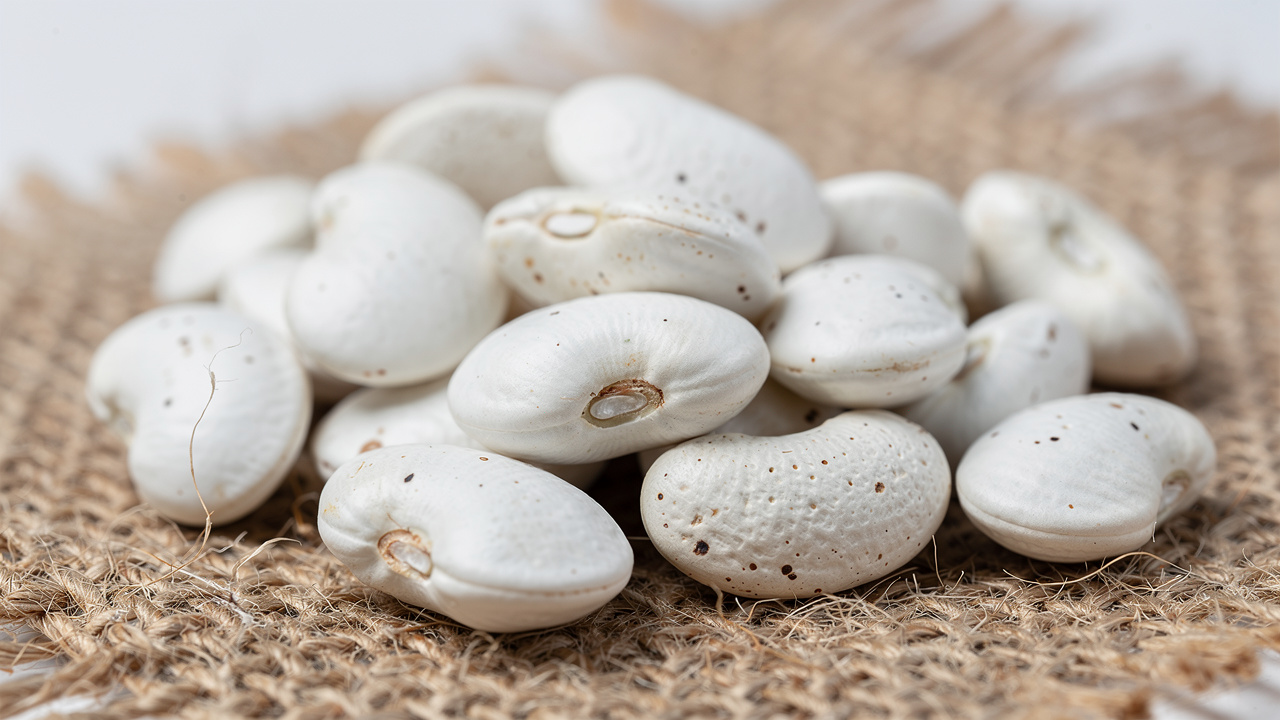
The most famous and prized variety in Bulgaria is undoubtedly Smilyan beans. They are grown around the village of Smilyan in the Rhodope Mountains and are distinguished by an exceptionally thin skin, rich flavour and ability to cook down to a creamy consistency, making them ideal for authentic bean soup. Their delicacy, however, requires more attention – they can easily turn into mush if cooked for too long.
Another popular choice is large white beans, often called “salad beans”. Their beans are larger, with a firmer texture, and retain their shape after cooking. This makes them perfect for cold salads, side dishes and the iconic “beans with lyutenitsa”. Making a salad with tender Smilyan beans, for example, often results in a disappointing mushy texture, which is why firmer white varieties are preferred for this purpose.
Speckled beans, also known as pinto beans, are the all-purpose soldier of the kitchen. They have a balanced flavour and medium-soft texture, making them suitable for almost anything – from stews and casseroles to purées and fillings for Mexican dishes. Beans of this variety are affordable and easy to find, making them an everyday choice for many households.
Cooking techniques and common mistakes
How can you avoid bloating after eating beans?
Soak the beans for at least 8 hours, change the water before cooking and add spices such as savory or spearmint. Slow cooking also helps break down the harder-to-digest components.
The most common mistake when cooking beans is skipping the soaking. Many people try to save time by putting the dried beans straight on to boil, which leads to uneven cooking, hard beans and almost guaranteed digestive discomfort. The proper procedure is to cover the beans with plenty of cold water and leave them overnight.
The expert technique for better flavour involves two-stage cooking. After soaking, bring the beans to a boil for 10–15 minutes, then discard the first water. Continue cooking in fresh, clean water. This method not only further reduces the compounds that cause bloating, but also produces a cleaner and more pleasant flavour in the finished dish. Beans like a low, slow heat; pressure cooking is quick, but often sacrifices texture.
Water-to-Bean Ratio: 3:1 when cooking
Adding Salt: Always at the end of cooking
Common Mistake: Cooking over high heat
Incompatibility: Do not add acidic ingredients (tomatoes) before the beans are fully cooked
A critical mistake is adding salt or acidic ingredients such as tomatoes or vinegar at the beginning of cooking. Salt and acid toughen the skin of the beans and can double or even triple the cooking time. All spices and vegetables should be added only after the beans have completely softened.
Beans in modern cuisine in 2026
Professional chefs are rediscovering beans today, integrating them into dishes far removed from traditional ideas. In many Sofia restaurants, you can now find hummus made not from chickpeas, but from creamy white beans, flavoured with tahini and roasted garlic. This variation offers a milder, earthier flavour that works as an excellent base for various appetizers.
The practical approach in modern cuisine is to make use of the texture of different varieties. For example, a fine purée of speckled beans can be served as an elegant base for roasted fish or pork, adding substance and nutritional value. Beans are also used in salads, but with a new twist – combined with quinoa, avocado and a light citrus dressing, turning them into a complete and modern lunch.
A specific example of innovation is using the water from cooking beans (aquafaba) as a vegan substitute for egg white. It can be used to make meringues, mousses and mayonnaise, which is a small revolution in plant-based cuisine. This shows that even the most traditional products can hold potential for surprising and contemporary uses. The end result is a dish that is both familiar and completely new.
Frequently Asked Questions
Why are beans considered ‘men’s food’ in Bulgaria?
This perception comes from their association with satiety, physical strength and traditional activities. In the past, beans were a staple food for soldiers and farmers because they were inexpensive, calorie-dense and provided energy for hard work. Although they are eaten by everyone today, this cultural stereotype of ‘healthy’ and ‘heavy’ food still exists in some circles.
How much does it cost to cook beans, and why are they so filling?
Making a large pot of bean soup for an entire family usually costs between €3 and €5, depending on the vegetables and spices added. They are so filling because of their high fibre and plant protein content. These components are digested slowly by the body, help maintain stable blood sugar levels and provide a feeling of fullness for a long time.
Is there a difference between fresh green beans and dried beans?
Yes, there is a significant difference. Green beans are the young, unripe pods of the plant and are eaten as a vegetable. They are low in calories and high in water and vitamins. Dried beans are the mature, dried seeds from the pods. They are a concentrated source of protein, carbohydrates and minerals and require soaking and prolonged cooking.
Can you eat beans while following a weight-loss diet?
Yes, beans are an excellent choice for a weight-loss diet when consumed in moderate amounts. Their high fibre and protein content creates a feeling of fullness, which helps control appetite and reduce overall calorie intake. It is important to prepare them without much fat, for example as a soup or salad, rather than as a fried stew.
How should dried beans be stored properly?
Dried beans should be stored in a dark, cool and dry place in an airtight container – a glass jar or plastic box. This protects them from moisture, which can cause mould, and from pests. When stored properly, they can retain their quality for up to two years, although older beans require more cooking time.