For a successful first trip to Bansko, buy your ski pass online in advance to avoid the huge queues at the ticket office. Choose your accommodation according to your priority – close to the lift for convenience or in the Old Town for an authentic atmosphere.
- Buying your ski pass online several days before arrival can save you hours of waiting in line at the gondola lift.
- Beginner skiers should head to Bansko ski road (No. 1) or the Shiligarnika area for safe first runs.
- Staying in the Old Town offers better prices and access to traditional taverns, but requires transport to the slopes.
- The biggest expense after the pass and accommodation is equipment rental, which can reach €25–35 per day.
- Parking near the gondola’s lower station is extremely difficult and expensive after 9:00 a.m.
The key to a hassle-free first visit to Bansko is to buy your ski passes online at least a day in advance and choose your accommodation strategically. If you are there mainly for skiing, a hotel near the gondola is a must if you want to avoid the morning transport chaos. For everything else, the Old Town offers much more character and better dining options, away from the tourist crowds.
Planning a trip to Bansko in 2026 requires more than just making a reservation. The resort is world-famous, which means large crowds and high prices during peak season. For Bulgarians, it is the most accessible ski resort of this scale, but a good experience depends entirely on preparation. One fact: the queue for the gondola in the morning can take more than an hour and a half.
The reality is that Bansko has two faces. One is the modern ski center with glossy hotels and bars around the lift. The other is the historic town with cobbled streets and authentic traditional taverns. Your experience on your first trip to Bansko will depend on which of these two sides you choose as your base.
| Accommodation area | Advantages | Disadvantages | Suitable for |
|---|---|---|---|
| By the gondola lift | Walking access to the slopes, modern hotels, après-ski bars | High prices, noise, lack of authenticity, expensive restaurants | Passionate skiers and groups looking for nightlife |
| In the Old Town | Authentic atmosphere, access to traditional taverns, lower prices | Need for transport to the lift, older accommodation, fewer spa centers | Families and couples looking for peace and culture |
| On the outskirts | Lowest accommodation prices, close to large supermarkets | Car essential, far from everything | Budget-conscious travelers with their own transport |
How to choose and buy a ski pass?
Should I buy my ski pass online in advance?
Yes, absolutely. Buying a ski pass online through the official website or mobile app allows you to use pick-up machines and skip the huge queues at the physical ticket offices.
The ski pass in Bansko is your main ticket to the mountain and the biggest expense after accommodation. It is a plastic card with a chip (the deposit for which is around €3) that gives you access to all operating lifts and tow lifts in the area for the period for which it was purchased. Prices vary significantly depending on the season (low, high, peak) and duration – from half-day to seasonal passes.
The most common mistake for visitors to Bansko for the first time is to go to the ticket office at 8:30 a.m. and wait for hours. The expert approach is to buy your pass online several days before arrival. You can load it onto an old card if you have one, or receive a QR code that allows you to collect it from a pick-up point in town or at the lower station itself. This literally saves you two hours on your first day of skiing.
For families with children or beginners who are not sure whether they will ski all day, the half-day pass (after 12:30 p.m.) is a sensible option. It is considerably cheaper, and the slopes are also slightly less crowded then. Check for package prices combining a pass and equipment rental from some ski schools – sometimes they work out cheaper.
Which slopes are suitable for first-time visitors to Bansko?
What are the best slopes for beginners in Bansko?
The best place for complete beginners is the Shiligarnika plateau, served by the Panitsa lift. For those who are slightly more advanced, blue run No. 1 (the long ski road down to town) is great for practicing turns.
Many beginners make the mistake of taking the gondola up to Banderishka Polyana and trying to ski down from there. These slopes, even the blue ones, can be steep and icy in places, which is a recipe for accidents. The right approach for beginners is to head to the specially designated areas. These are wide, gentle and well-maintained slopes, ideal for taking your first steps.
The main learning area is at Shiligarnika – a wide, sunny meadow with several short tow lifts. To get there, you can take the gondola to the Chalin Valog intermediate station and then a chairlift further up, or continue with the gondola to Banderishka Polyana and carefully ski down blue run No. 10 or No. 3 to Shiligarnika. The easiest option, however, is to drive or take a shuttle directly to the Shiligarnika parking area.
Slope markings: Blue (easy), Red (intermediate), Black (difficult)
Longest run: Ski road No. 1 (around 7 km to town)
Fog risk: Visibility on the plateau can drop to zero within minutes
Essential rule: Always ski at a controlled speed and be mindful of the people ahead of you
Once you gain confidence, the long and scenic ski road down to town (marked as blue run No. 1) is an excellent exercise. It is narrow in places and often crowded at the end of the day, so ski it with extra caution. Avoid the black Tomba run – it is for experts only and is often icy and extremely steep.
Where to stay: by the lift or in the Old Town?
Where is the best place to stay in Bansko for easy access to the slopes?
The best option for easy access is a hotel or apartment within 500 meters of the gondola’s lower station. This allows you to walk there and avoid the morning traffic jams.
The choice of accommodation location in Bansko determines your entire experience. The area around the gondola is convenient, but expensive and somewhat impersonal. This is where the large hotel complexes with spa centers, après-ski bars and equipment shops are located. If your goal is to be first on the slopes and make the most of your Bansko ski day, this is your area. For example, a family with two small children who need to get dressed and be taken to ski school will greatly appreciate being close to the lift.
The Old Town, on the other hand, offers a completely different feel. Cobbled streets, Bulgarian Revival Baroque-style houses and dozens of authentic traditional taverns create a unique atmosphere. Accommodation here is cheaper, while the food is tastier and better priced. The downside is that you will need transport to the lift – a hotel shuttle, taxi (around €5–8) or your own car. This option is ideal for couples or groups who value culture and good food more than the convenience of being just meters from the slopes.
There is also a third option – accommodation in the more remote neighborhoods, close to the large supermarket chains. This is the most budget-friendly choice, but it is practical only if you have a car and are prepared to drive every day to the lift parking area or Shiligarnika, which as of 2026 involves serious traffic jams and parking fees.
Common mistakes and how to avoid them
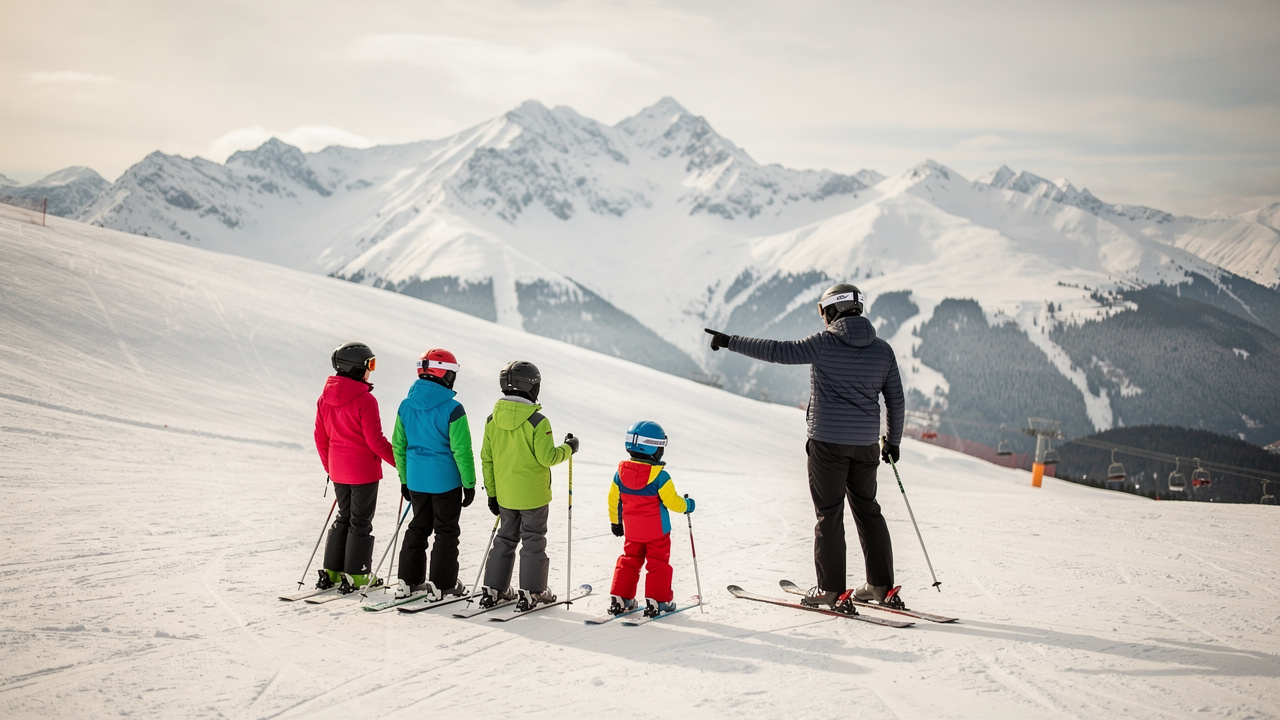
The biggest mistake when visiting Bansko for the first time is underestimating the logistics. Many people arrive during peak season without passes bought in advance, without reserved parking and without a clear plan, which leads to wasted time and frustration. Your experience can go from a “nightmare” to a “dream” with just a few steps taken in advance.
The second critical mistake is renting equipment from the first rental shop you see by the lift. They are often the most expensive and have the most worn-out equipment. Research ski rental shops away from Pirin Street or those recommended by your hotel in advance. The price difference can be up to €10 per person per day, and the quality of the skis and boots is crucial for both safety and enjoyment.
Gondola capacity: 8 people
Ride time: Around 25 minutes to Banderishka Polyana
Busiest time: 08:30 – 10:30 a.m.
Alternative to the gondola: Road access to Shiligarnika/Banderishka Polyana (chains are often required)
The third mistake is improper equipment. The weather in Pirin can change within minutes. Even on a sunny day, it can be -15°C at the top with hurricane-force winds. Dress in layers, wear quality gloves, a hat that fits under your helmet, and a ski mask rather than sunglasses. A mask protects you from wind, snow and cold, while glasses are almost useless in poor conditions. Your first Bansko experience should not be ruined by frostbite.
Beyond the slopes: food and authentic experiences
The true spirit of Bansko is best experienced in the evening, in one of the hidden traditional taverns in the Old Town. To avoid tourist traps with high prices and mediocre food, follow one simple rule: if there is a “promoter” outside inviting you in, keep walking. The best places are small, family-run taverns, often hidden in the side streets around the Holy Trinity Church.
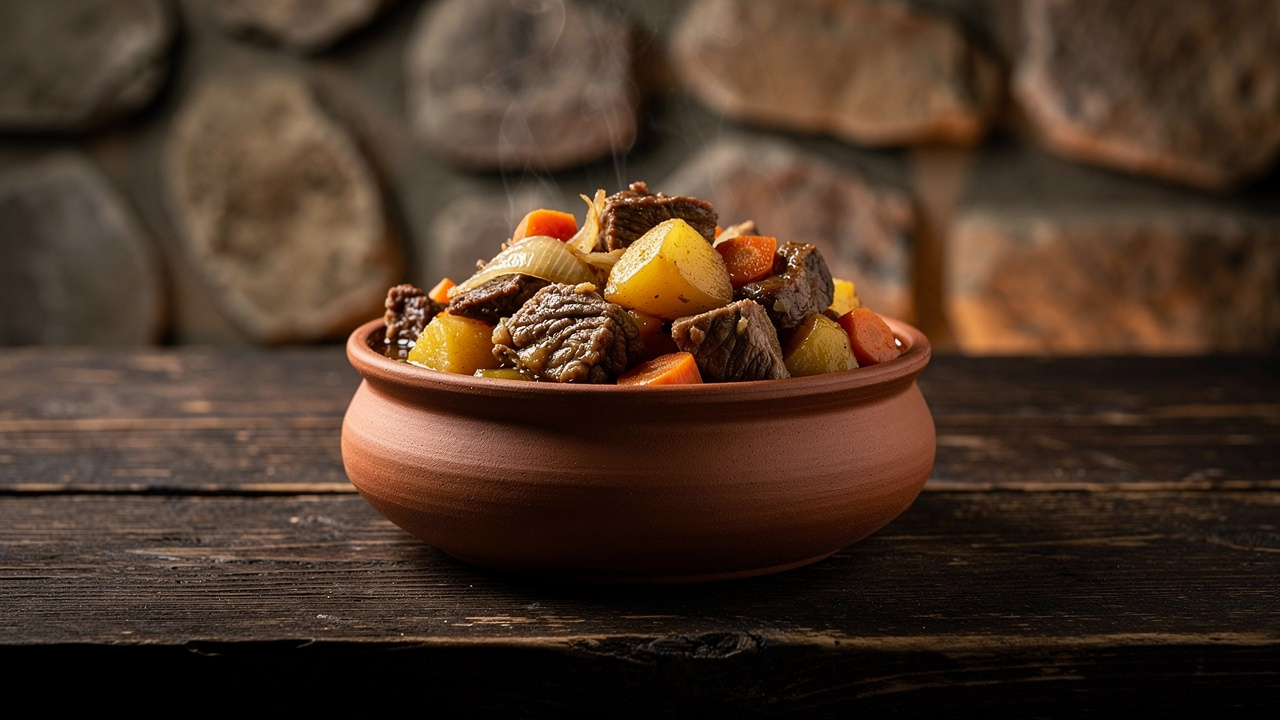
Look for places serving local specialties such as kapama, chumlek or Banski starets. These are slow-cooked, hearty dishes, perfect after a long day on the slopes. Prices in authentic taverns are significantly lower than those in the restaurants around the lift. A hearty dinner for two with wine rarely costs more than €40–50.
For a different kind of experience, visit Velyanova House or the Nikola Vaptsarov Museum to get a feel for the town’s history. Walking through the cobbled streets in the evening, when the tourist flow has died down, reveals a completely different, peaceful and charming side of Bansko. This is exactly the experience that many visitors who come to Bansko for the first time miss, focusing only on the ski area.
The final expert tip is to plan at least one day without skiing. Use it for a trip to nearby Razlog or Dobrinishte with its mineral pools. This will give you a fuller picture of the region and make your trip much richer than an ordinary Bansko ski holiday.
Frequently asked questions
What is the difference between the different types of ski passes in Bansko?
The main differences are in duration and flexibility. You can buy a half-day pass (after 12:30 p.m.), a full-day pass, a pass for several consecutive days (which is better value than buying one every day), or a seasonal pass. There are also family packages and passes that include only the gondola without access to the other facilities, which are suitable for tourists.
Approximately how much does a daily lift pass in Bansko cost?
Prices vary greatly depending on the season. During peak season (Christmas, New Year, February), a daily adult pass can reach around €48. During quieter periods, such as early December or late March, the price may be lower. Always check the current prices on the resort’s official website before traveling.
Is there public transport to the slopes?
There is no regular public transport to the ski area in Bansko. Most larger hotels offer free shuttle buses for their guests to the lower station of the gondola lift. The other option is taxis, which cost around €5–8 each way from most parts of town to the lift.
Can I drive to the slopes themselves?
Yes, there is a paved road to Shiligarnika and Banderishka Polyana, where there are parking areas. However, the road is mountainous, often requires chains in winter and may be closed during heavy snowfall. Parking is paid, and spaces fill up very quickly in the morning. It is an alternative to the gondola, but it is not always faster.
What is “après-ski” and where can I find it in Bansko?
“Après-ski” (French for “after skiing”) is a tradition of socializing over drinks and music immediately after the end of the skiing day, usually between 4:00 and 7:00 p.m. In Bansko, the most popular après-ski bars are located at the foot of the slopes, around the lower station of the gondola lift. They offer live music or DJs and a lively atmosphere.
Is it safe to ski down the ski road to town at the end of the day?
The ski road is a great way to get back, but at the end of the day (after 3:30 p.m.) it becomes extremely crowded. Thousands of skiers with different levels of ability descend along it, increasing the risk of collisions. If you are a beginner or have small children, the safer option is to return by gondola.